Connect with us

News

Tinubu: Strong Corporate Governance Must Go Beyond Compliance to Secure Institutional Future

Published

on

Mrs. Bola Tinubu has underscored the need for stronger corporate governance anchored on board accountability, ethical leadership, effective risk oversight and long-term value creation, warning that the durability of institutions depends on the quality of decisions made in their boardrooms today.

In a message ahead of the Corporate Governance Triangle Annual Colloquium scheduled for Thursday, October 22, Country Managing Partner, DLA Piper Africa said corporate governance must be understood as more than adherence to regulations, stressing that it is fundamental to building resilient institutions, protecting stakeholder interests and sustaining investor confidence.

“Good governance is not simply about compliance. It is about leadership, accountability and making the right decisions for the future,” she said.

The colloquium, convened by the Nigerian Bar Association Section on Business Law (NBA-SBL), the Convention on Business Integrity’s Centre for Leadership and Governance (CloD Nigeria), and the Nigerian Exchange Group (NGX), is themed “Governing for the Future.”

The gathering comes at a time when corporate boards face increasing pressure to demonstrate stronger oversight, transparent decision-making and the capacity to navigate economic volatility, technological disruption and evolving stakeholder expectations.

Tinubu’s position places board effectiveness at the centre of the corporate governance conversation, emphasising that compliance with statutory requirements, while indispensable, is not sufficient to guarantee institutional integrity or sustainable performance.

See also  US states of New Jersey, Texas seek extradition of 8 Nigerians in Cape Town over $6.8m scams

Effective corporate governance requires boards to establish clear accountability structures, exercise independent judgement, challenge management assumptions and ensure that corporate strategy is aligned with the long-term interests of shareholders and other stakeholders.

It also demands robust internal controls, credible financial reporting, ethical conduct and risk management frameworks capable of identifying threats before they undermine organisational stability.

“At a time of rapid change and growing uncertainty, the quality of board leadership matters more than ever,” She said.

As a Keynote Speaker at the event, statement highlights the strategic responsibility of directors to look beyond short-term earnings and immediate operational pressures to consider the broader implications of their decisions for institutional continuity, reputation and value creation.

For companies operating in Nigeria’s evolving business environment, these responsibilities have significant implications for investor confidence and access to capital. Investors increasingly assess not only financial performance but also the quality of oversight, transparency of disclosures, protection of minority shareholders and the ability of boards to manage material risks.

See also  Abuja chief imam’s son shot dead over land dispute

Weak governance can expose companies to financial mismanagement, conflicts of interest, reputational damage and regulatory sanctions. Conversely, credible governance structures can strengthen market confidence, improve accountability and create the conditions for sustainable business growth.

Tinubu stressed that boards must demonstrate the courage and discipline required to prepare institutions for challenges beyond their immediate operating environment.

“Boards must look beyond today’s challenges and have the courage, foresight and discipline to build institutions that will stand the test of time,” she stated.

This approach places a premium on forward-looking board oversight. Directors must interrogate business assumptions, monitor emerging risks, evaluate management performance and ensure that succession planning, capital allocation and corporate strategy support institutional resilience.

It also reinforces the importance of board independence and diversity of experience in strengthening deliberations and preventing excessive concentration of decision-making authority. Effective oversight depends on directors who can exercise sound judgement, ask difficult questions and hold management accountable without compromising their fiduciary responsibilities.

Beyond individual companies, stronger corporate governance has implications for the wider Nigerian economy. Transparent and well-governed companies are better positioned to attract long-term investment, deepen capital markets and support the development of a business environment in which capital is allocated with greater confidence.

See also  JAMB uncovers 3,000 fake graduates, says 'some graduates never entered four walls of a university'

The collaboration among the NBA-SBL, CloD Nigeria and NGX in convening the colloquium also reflects the importance of a coordinated approach to governance. Legal standards, leadership development, market discipline and professional accountability must work together to translate governance principles into measurable institutional outcomes.

The challenge, therefore, is not simply to establish governance codes or satisfy regulatory expectations, but to embed accountability and ethical conduct in everyday corporate decision-making.

Tinubu expressed optimism about the discussions expected at the colloquium, noting that the demands of contemporary leadership require sustained reflection on how institutions are governed and prepared for the future.

“I look forward to a thought-provoking conversation on what this demands of us as leaders,” she added.

As corporate governance increasingly shapes investor perceptions and institutional credibility, the central question for boards is whether their decisions merely address today’s obligations or build the foundations for tomorrow’s success.

The distinction, ultimately, lies in the ability to translate compliance into a culture of accountability, oversight into strategic value and leadership into lasting institutional strength.

Continue Reading
Click to comment

Leave a Reply

Your email address will not be published. Required fields are marked *

News

‘Political differences won’t diminish my affection for you’ — Tinubu celebrates Kwankwaso at 70

Published

on

By

‘

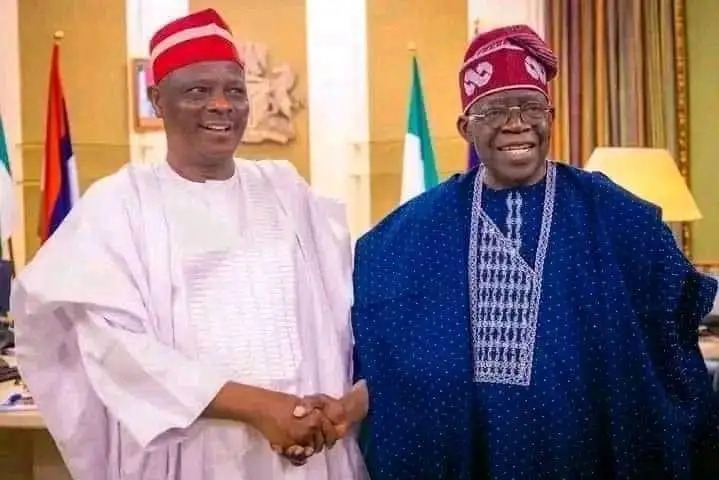
President Bola Ahmed Tinubu says his political differences with Senator Rabiu Musa Kwankwaso, former Governor of Kano State, will not diminish his personal affection for the opposition politician.

Tinubu made the remark on Wednesday in a birthday tribute to Kwankwaso, who turned 70, describing the former Minister of Defence as a longstanding friend and influential figure in Nigeria’s political development.

The President, who is running for a second term on the platform of the ruling All Progressives Congress (APC), and Kwankwaso, the vice-presidential candidate of the opposition Nigeria Democratic Congress (NDC) and running mate to Peter Obi, are currently on opposite sides of the political divide.

But in what appeared to affirm personal friendship over partisan considerations, Tinubu maintained that their political rivalry would not undermine the relationship they had built over more than three decades.

“That we are in different political parties and competing on different platforms in the January 2027 election will not remove my affection for Senator Kwankwaso,” the President declared.

See also  PHOTOS: Emir Sanusi’s son, Ashraf Adam weds lover in Abuja

The tribute comes as political activities intensify ahead of the presidential election, with the two politicians from rival camps seeking victory at the polls.

Tinubu recalled that his relationship with Kwankwaso dated back to 1992, when both served in the National Assembly during the aborted Third Republic, with Kwankwaso in the House of Representatives and himself in the Senate.

He noted that their political paths crossed again in 1999 when they were elected governors of Kano and Lagos states, respectively, at the beginning of the Fourth Republic.

According to the President, their shared experience as members of the pioneering class of governors in the current democratic dispensation helped forge a relationship that has endured despite their subsequent political disagreements.

“Senator Kwankwaso and I have had a longstanding association, dating back to our time in the National Assembly in 1992, he in the House of Representatives and I in the Senate, and later in 1999 when we both emerged as governors of our respective states.

See also  Kenyan police arrest man who ‘confessed to killing 42 women’

“As members of the Class of ’99 Governors, we both played pivotal roles in laying the foundation for the democracy the nation enjoys today”, Tinubu stated.

The President also reflected on their political journey, acknowledging that although they took different political routes over the years, circumstances brought them together in 2013 when they formed the APC.

“Shaped by different political choices, our political paths differed until we coalesced in 2013 to form the All Progressives Congress. Since then, history and service have kept us intertwined”, he said.

Tinubu further acknowledged Kwankwaso’s contributions to governance and national development, particularly his service as a two-term governor of Kano State, Minister of Defence, senator and presidential candidate.

The President, who recognised Kwankwaso’s current position as a vice-presidential candidate, described him as an important political figure whose contributions to the nation’s democratic evolution deserved acknowledgement irrespective of partisan affiliations.

“I must acknowledge Senator Kwankwaso’s immense contributions to Kano State and Nigeria as a two-term Governor, former Minister of Defence, former Senator, former presidential candidate, and now a presidential running mate.

See also  Good morning! Nigerian Newspapers Headlines: 2027 poll: N571bn campaign spending limit for presidential, gov candidates

“Senator Kwankwaso remains an influential figure and a progressive politician,” Tinubu said.

Kwankwaso, who contested the 2023 presidential election on the New Nigeria Peoples Party (NNPP) platform, is now seeking the vice-presidency alongside Obi on the NDC platform in the January 2027 election.

The President wished Kwankwaso continued good health and fulfilment, expressing hope that he would remain actively involved in the country’s democratic process.

“As the former governor marks this milestone, I wish him good health, personal fulfilment, and many more years of engagement in the nation’s democratic process”, Tinubu stated.

Continue Reading

News

What to know about Ebola virus

Published

on

By

The Federal Government confirmed a case of Ebola virus disease in Nigeria on Tuesday.

The minister of health and social welfare, Ali Pate, confirmed it in a statement, saying the development followed a laboratory confirmation of the case.

Pate said the patient, a woman who recently arrived in Nigeria on an international flight from Uganda, was admitted to a private hospital in the FCT, where she received care for several days before the diagnosis was confirmed.

“She is currently in isolation and receiving medical care,” the statement reads.

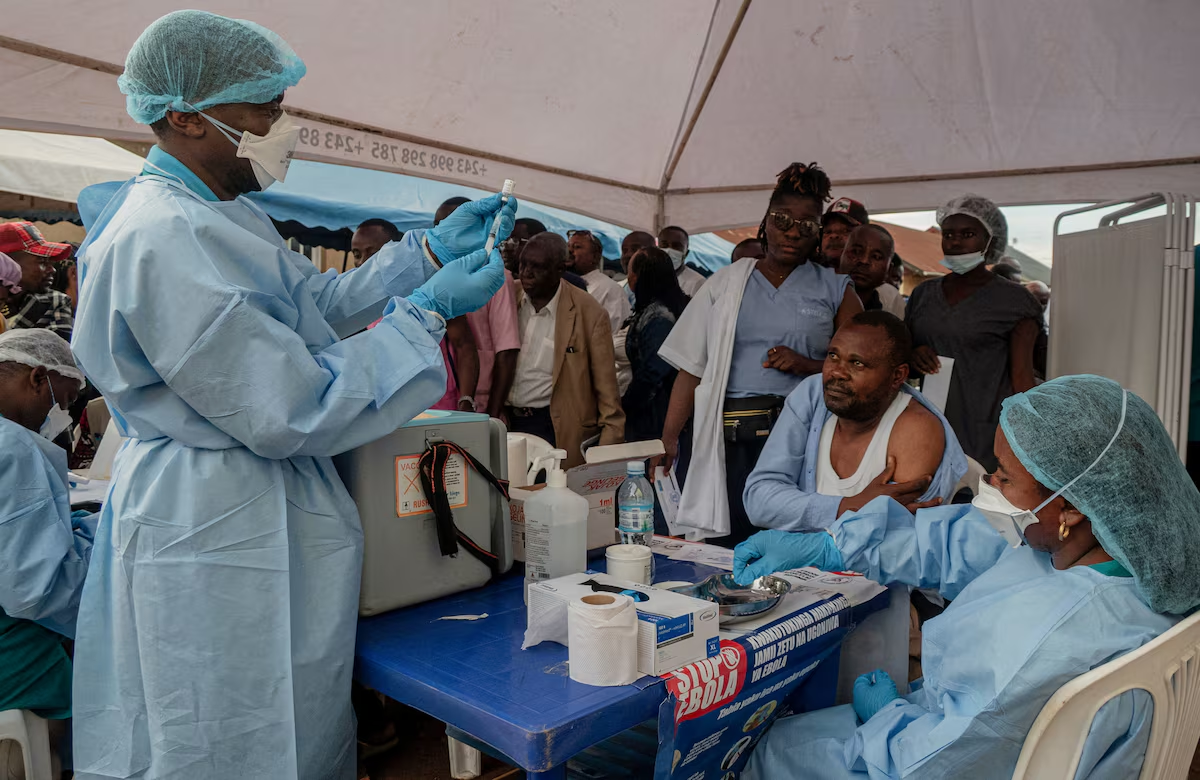
The government said contact tracing has commenced with 44 close contacts identified presently, with public health teams identifying and monitoring people who may have been exposed, including healthcare workers, patients, caregivers and travel contacts.

Nigeria recorded its first case of the Ebola virus in July 2014.

In May, the World Health Organisation (WHO)declared  the Ebola outbreaks in the DRC and Uganda a public health emergency of international concern.

Also, in October, Kenyan authoritiesconfirmed the country’s first case of Ebola Bundibugyo virus disease (BVD).

What you need to know about the Ebola virus.

WHAT EXACTLY IS EBOLA VIRUS?

Ebola is a serious infectious disease caused by a virus. It spreads through direct contact with the blood or body fluids of someone who is sick with the disease or has died from it, or through contact with contaminated materials.

Ebola virus emerged in 1976, and it was named after the Ebola River in the Democratic Republic of the Congo (DRC), then known as Zaire.

The virus appears in animal populations in regions close to the African equator. The equator is the imaginary line that cuts continents right down the middle, into northern and southern halves.

The virus is highly transmissible between humans and primates, including chimpanzees, apes, and gorillas.

The virus becomes infectious when infected persons develop symptoms.

WHAT ARE THE SIGNS AND SYMPTOMS OF EBOLA?

See also  US states of New Jersey, Texas seek extradition of 8 Nigerians in Cape Town over $6.8m scams

Ebola virus disease is a severe and fatal infection that can begin with fever, headache, muscle pain and weakness before progressing to vomiting, diarrhoea and, in some cases, internal or external bleeding, according to the WHO.

Other symptoms can include sudden fatigue and sore throat. As the illness progresses, patients also develop  abdominal pain, skin rash and signs of impaired kidney or liver function.

The WHO said symptoms appear between two and 21 days after exposure to the virus, although the disease initially resembles malaria, typhoid fever and other common infections.

The WHO added that other symptoms of Ebola virus are vomiting, diarrhoea, rash, and internal and external bleeding.

Although Ebola is widely associated with bleeding, the WHO notes that haemorrhagic symptoms occur less frequently and may emerge later in the illness.

Such symptoms can include bleeding from the nose and gums, blood in vomit or stool.

The Nigeria Centre for Disease Control and Prevention listed other symptoms of Ebola disease as headaches, lethargy, anorexia, loss of appetite, aching muscles or joints, stomach pain, difficulty swallowing, vomiting, difficulty breathing, and diarrhoea

The virus is highly transmissible and can cause large outbreaks, epidemics, and pandemics, said the National Library of Medicine. It is an epidemic that can have a devastating global impact on healthcare, the economy, and society.

HOW EBOLA VIRUS SPREADS

Ebola virus spreads primarily through contact with infected animals and direct contact with the bodily fluids of infected people, including people who have died from the disease.

The virus can also spread through objects contaminated with infectious bodily fluids. WHO and the US Centers for Disease Control and Prevention (CDC) identify these as the primary routes of transmission.

The global think tanks on health said that the time interval from infection to onset of symptoms ranges between 2 and 21 days.

See also  PHOTOS: Emir Sanusi’s son, Ashraf Adam weds lover in Abuja

Scientific evidence suggests that fruit bats may serve as natural hosts of Ebola viruses, although the precise reservoir-host relationships are not fully established for every Ebola virus species.

The virus can spread from person to person via exposure to blood or other body fluids (mostly through faeces, vomit, sweat and saliva) of an infected person, alive or deceased.

A vivid example includes contaminated bedding, clothing, needles, syringes and medical equipment.

The virus enters the body through broken skin or mucous membranes (such as the eyes, nose or mouth), most often while someone is caring for a patient or touching the body of someone who has died from the disease.

It is also spread by touching or handling objects that have been contaminated with the body fluids of a sick person or someone who has died from Ebola disease.

HOW DANGEROUS IS IT?

Ebola virus disease is extremely dangerous and can be fatal, without prompt medical care.

It is a severe infectious disease that can cause serious damage to the body, including organ dysfunction and, in some cases, internal or external bleeding.

However, not everyone infected with Ebola dies. Early supportive treatment and appropriate medical care can significantly improve the chances of survival.

HOW DID NIGERIA OVERCOME EBOLA IN 2014

Ebola is not a strange word to many Nigerians; they had witnessed an outbreak in 2014.

The outbreak began on July 20, 2014, when Patrick Sawyer, a Liberian government official travelling from Liberia, arrived in Lagos while ill with Ebola. He was admitted to a private hospital, where the infection was suspected and subsequently confirmed. Sawyer died on July 25.

The disease broke out in a major commercial centre with extensive international travel connections, raising concerns that the disease could spread rapidly across Nigeria and beyond. Nigeria stopped sustained transmission within three months.

A CDC investigation published in the Morbidity and Mortality Weekly Report identified the rapid organisation of the response and the effective use of existing public-health infrastructure as key factors in containing the outbreak.

See also  Good morning! Nigerian Newspapers Headlines: 2027 poll: N571bn campaign spending limit for presidential, gov candidates

The federal ministry of health, with the Lagos state government, the Nigeria Centre for Disease Control and international partners, activated an Ebola Incident Management Centre on July 23, three days after Sawyer arrived in the country.

The centre coordinated surveillance, case investigation, laboratory testing, patient management and contact tracing. Its incident-management structure helped bring different agencies and response teams under a coordinated system.

According to the CDC, Nigeria drew on emergency-response structures and personnel developed through its polio-eradication programme. The existing Lagos Emergency Operations Centre provided an operational foundation for coordinating the Ebola response..

A central component of the response was identifying people who had contact with infected patients and monitoring them for symptoms.

A CDC investigation reported that response teams identified and followed 894 contacts during the outbreak. WHO later reported that contact tracing reached 100 per cent of identified contacts in Lagos and 99.8 per cent in Port Harcourt.

Public-health workers monitored exposed individuals, investigated possible infections and arranged further assessment or isolation when necessary. Most contacts were monitored at home, while selected high-risk contacts were placed in an observation unit.

The WHO’s retrospective account of the outbreak said the virology laboratory affiliated with Lagos University Teaching Hospital provided the capacity to diagnose Ebola promptly.

The CDC said that the response established an Ebola treatment unit within two weeks and trained approximately 2,000 Ebola caregivers. It also recorded about 19,000 home visits as part of contact tracing.

Nigeria also used public information campaigns to inform communities about Ebola and encourage cooperation with surveillance and control measures.

WHO reported that house-to-house information campaigns and radio messages in local languages were used to address public fears.

CULLED FROM THE CABLE

Continue Reading

News

‘End of a Remarkable Era’ — Akinterinwa Mourns Pa Fashoranti

Published

on

By

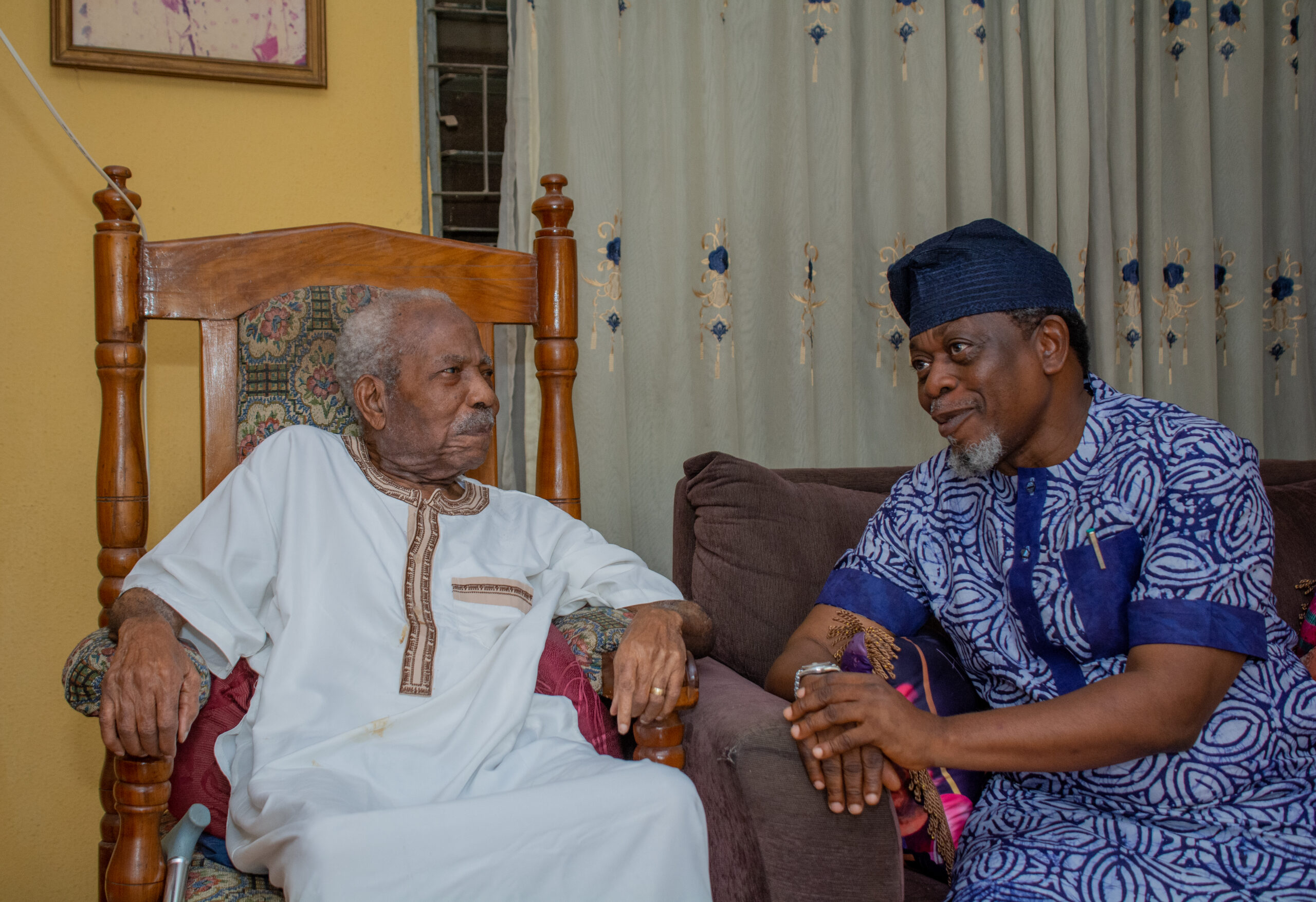
Wale Akinterinwa, former Commissioner for Finance in Ondo State, has expressed sadness of the passage of Afenifere leader, Pa Reuben Fashoranti, describing his exit as a momentous end of a remarkable era.

In a statement he personally signed, Akinterinwa paid glowing tributes to Pa Fashoranti and concluded that his death has created a vacuum too difficult to fill.

“Pa Reuben Fashoranti was a man of uncommon passion, a great teacher, a progressive ideologue, a community leader and a role model… Baba was a pride to Ondo State, an asset to Yorubaland and a treasure to Nigeria as a nation… Though he lived for over 100 years, he remained robustly relevant, conspicuously consistent and audaciously dependable till he gave up the ghost. Indeed,  Pa Fashoranti ‘s departure has left a huge vacuum that’s too difficult to fill,” Akinterinwa wrote.

While commiserating with the Fashoranti family and associates over the passage of their patriarch, the former APC governorship aspirant urged them to do everything possible to sustain the legacy of service and integrity which characterised the life and times of the late Afenifere leader.

See also  Good morning! Nigerian Newspapers Headlines: 2027 poll: N571bn campaign spending limit for presidential, gov candidates

Continue Reading

Trending News