
Lifestyle
Ijoko Rimi is Tourism Product of the week, says Otunba Wanle Akinboboye

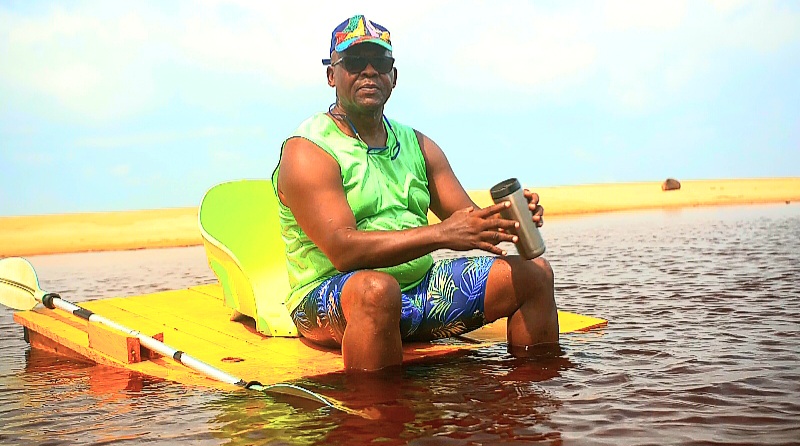
Tourism icon, Otunba Olawanle Akinboboye, has disclosed that the 24th tourism product of the week, is Ijoko Rimi. Though it may appear similar to last week’s presentation of is (Simi Rimi), it has distinct features that provides a complete different water experience from last week’s tourism product.
‘Ijoko Rimi’ according to him, is a Yoruba term that means ‘sit on water’.
Once again, this item is produced locally from wood and recycled vegetable oil kegs. However, rather than being designed as a floating bed, it incorporates the seating portion of a plastic chair (what’s left after you cut off the chair’s legs) to create an apparatus that will enable tourists gently float on water while relaxing in a seated position.
He then mentioned that the apparatus is also designed in a way that would facilitate sports fishing, so that keen anglers can spend a relaxing day attempting to catch fish.

The materials this apparatus uses are eco friendly and aligned to the recycling culture currently being promoted world – wide. This is obviously very useful in a country like Nigeria where plastic chairs and kegs are widely used and discarded.
He noted that the sitting feature in Ijoko Rimi can be harvested from chairs that would normally be condemned and added to our environmental waste because their legs aren’t functioning correctly and are no longer able to support anyone’s weight.
The fact this equipment uses recycled material means it can be produced at a very cheap cost, which will also impact on the cost of using the water sport activity it promotes.
Ijoko Rimi can provide a basis for youth employment, as enterprising youths can establish water sport centers that use Ijoko Rimi only and which centers can be patronized by people in the cadres of society that are normally unable to patronize recreational water sport centers that use expensive water sport equipment like speed boats, kayak and so on.
It will also generate employment for those responsible for the manufacture and maintenance of this wholly indigenous apparatus.
Otunba Akinboboye reiterated that Ijoko Rimi could be used for ‘sport fishing’ as individuals can relax and float around on the water while casting their fishing rods and hoping for a passing fish to bite.
Nigeria, he said, has an abundance of river fish, which includes tilapia, giwan ruwa (Nile perch) boney tongue and cat fish. Though aware that, for example, there is tilapia in Europe, such fishes were raised in fish farms so European fishermen may enjoy catching wild fish in their natural habitat.
He emphasized that sports fishing is a growing tourism sector. According to Future Market Insights (FMI), the fishing tourism sector is estimated at US$ 72 billion in 2023 and is projected to reach US$ 211 billion in 2033.
An analyst, Rohnak Shah, in discussing the growth in this segment of the tourism market attributed same to the fact that fishing tourism offers consumers a calming and fun tour, where they are closer to serene rivers or seas, and learn new skills. The need of consumers to be closer to nature has thus positively benefited the market while giving tourism firms a key selling point for their tour packages.
Obviously it would be great if Nigeria could plug into this growing tourism market by introducing an unusual and unique but comfortable way for sports fishermen to pursue their hobby while exploring other aspects of Nigeria’s vista and culture.
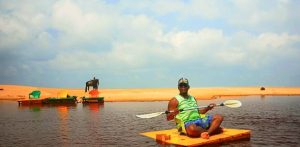
Otunba Akinboboye noted that other countries were also leveraging off eco – friendly water sport products that tied into their culture to create tourism experiences. For example, in Indonesia, in an attempt to boost the fishing tourism sector, a fishing boat was created with a touch of Pasuruan cultural heritage, which is indigenous to a region in East Java. It was hoped that the design would attract the tourists’ attention by presenting them with a local heritage fishing experience.
The Kanger Valley National Park, which is a popular tourist destination in Chhattisgarh, India, has also introduced Bamboo rafting as an adventure activity. These bamboo rafts, which are made of bamboo poles tied together with ropes and steered by expert rafters using long poles that were traditionally used by local tribes for transportation and fishing.
Otunba Akinboboye emphasized that Ijoko Rimi could be used for activities other than fishing and he merely focused on that aspect of its use because he wanted to point out a growth sector of tourism that was not currently being addressed in Nigeria and which could be aligned with this particular product.
Otunba Akinboboye said that the focus on developing and using eco – friendly water apparatus that has a cultural twist is a case of taking advantage of ones advantages.
He also mentioned that, by using recycled plastic items, which is a material that is a by – product of the mainstay of our economy – petroleum, we would be promoting a ‘360 degree Waste to Wealth Culture’ that was in tune with modern thinking and could be used as a definite selling point when marketing our tourism products and activities locally and internationally.
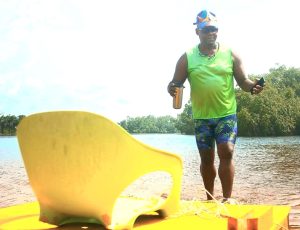
Otunba Akinboboye explained that the creation of Ijoko Rimi, is part of his quest to provide tourism products that are unique to Nigeria and which could attract tourists intent on undertaking adventures outside of their ‘usual’ experiences.
He also emphasized that this unique water sports apparatus is aligned with the government’s push to create employment, encourage indigenous manufacturing and reduce importation.
We hope you found the discussion about Ijoko Rimi as fascinating as we did and look forward to learning about the other tourism products Otunba Akinboboye has within his creative and African focused portfolio.












-

 News4 years ago
Insecurity: Buhari presides over National Security Council meeting (Photos)
-

 Privacy5 years ago
Self-imposed Oba vacates ‘palace’ after warnings by community
-

 News5 years ago
Nollywood Actress Nkechi Blessing speaks on plastic surgery, big butts
-
 Entertainment4 years ago
DJ Dimple Nipple dropped by longtime boyfriend after claiming D’Prince allegedly demanded sex for roles
-

 News5 years ago
Plus size rocks: Ghanaian plus size dancer who can’t travel by air because of her size
-

 Opinion5 years ago
Leave our community, Imobi orders self-imposed Oba
-

 News5 years ago
How CCTV ’caught’ Baba Ijesha molesting minor
-

 Sports5 years ago
Meet Ashleigh Plumptre, the ‘Oyinbo’ member of Nigeria Super Falcons [Video]