Simi Rimi, the floating bed on water, is Tourism Icon, Otunba Olawanle Akinboboye’s Tourism product for Week 23!
Elaborating on this, Otunba Olawanle Akinboboye disclosed that, the abundance of water features in Nigeria (rivers, lagoons, lakes and ponds), it becomes inevitable that Nigeria’s tourism offerings would include water sports.
He then went on to speak about ‘Simi Rimi’ which is a Yoruba term that means, ‘to rest or relax on water’. This item is a locally produced apparatus that falls into the category of water sports equipment. Equipments such as kayaks, hydro bikes, canoes surf boards and speed boats, which we normally think about when we think of ‘water sports’ and which, because they are usually imported, may be expensive to purchase.
Simi Rimi which resembles a floating canopy bed, is eco – friendly and constructed of material that is locally sourced.
The floaters that keep it suspended on top of the water are recycled vegetable oil plastic kegs while its bed frame is made from bamboo. The canopy is crafted from brightly coloured adire and each ‘Simi Rimi’ contains a talking drum which is used to signal for service and to warn other water users to give way.
As it is not propelled by an outboard engine it simply glides on the water and it’s movement is determined by the wind and water currents, though a paddle could be used to make it move in a particular direction.
Otunba Akinboboye mentioned that the Simi Rimis in his Resort (La Campagne Tropicana Beach Resort) are popular with guests (especially couples) who want to lie back and relax while floating on top of the Resort’s freshwater lagoon and enjoying the cool ocean breeze.
Guests also have the opportunity to sip drinks and eat food while relaxing in their Simi Rimis and gliding on top of water.
Otunba Olawanle Akinboboye explained that, by creating Simi Rimi, he wanted to promote something that is unique to Nigeria and which could attract tourists in the same way that the gondolas of Venice attract tourists to that Italian city.
Additionally, Otunba Akinboboye mentioned that, in 2022, Venice made 2.3 billion Euros from it’s tourism industry. He also mentioned that the 240 boatmen licensed to steer the distinctive gondolas through the canals of Venice earned between US $65,000 to US $140,000 a year.
He noted further that, Venice is a perfect example of ‘taking advantage of your advantages’. In his opinion, this water logged city has used the water that was threatening to submerge its buildings to promote a romantic experience that had been successfully sold to the world. This is why people from all over the globe associates Venice with romance and a ride in a gondolier, as an epic romantic adventure.
Otunba Akinboboye observes that, because the materials used to manufacture Simi Rimi are sourced in Nigeria and even includes items normally considered waste (used Jerry cans) this ‘apparatus ’ is not as expensive as the usual water sports equipment.
Consequently, businesses that includes ‘Simi Rimi’ among their list of water sport apparatus, would be able to reduce their business costs, while providing employment for the local artisans that craft the Simi Rimis and the items used to produce their distinctive look.
He also indicated that this unique water sports item is aligned with the government’s push to reduce importation, increase manufacturing capacity, while creating employment and a unique Nigerian product that will be appreciated by both local and international tourists.
“We hope you found our insights into Simi Rimi as fascinating as we did and look forward to learning about the 29 future tourism products that will be discussed before this series comes to an end,” added Otunba Olawanle Akinboboye.
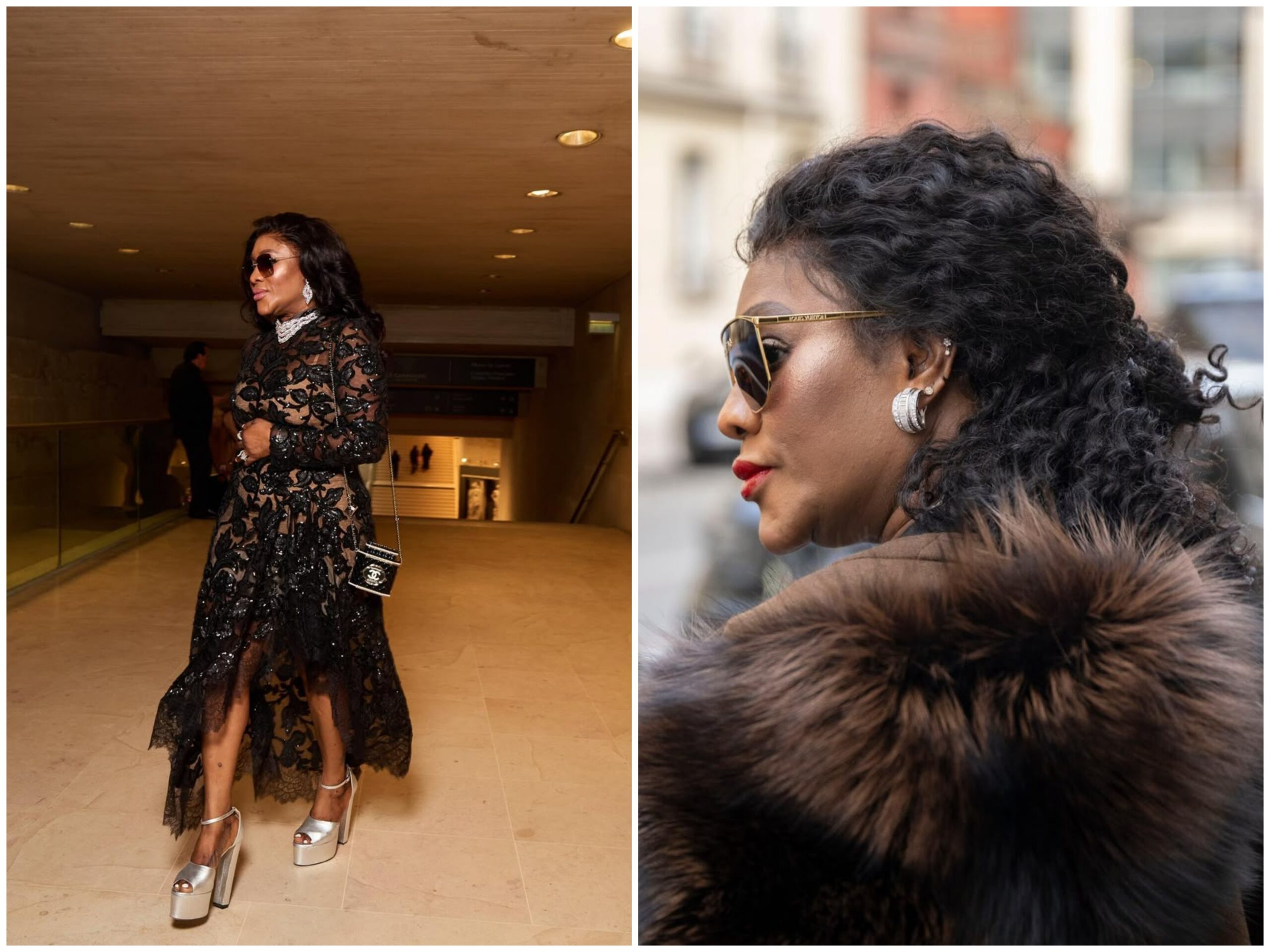
Paris has always had a way of making fashion feel less like clothing and more like theatre. And when the world’s style aristocracy gathered for the Spring/Summer 2027 season, Nigerian high flying businesswoman, Aisha Achimugu, arrived with the kind of polished glamour that commands attention without demanding it.
Against the timeless backdrop of the French capital, Achimugu stepped into the world of Paris Fashion Week in a look that married sophistication with modern femininity. Her ensemble was defined by a refined silhouette, impeccable tailoring and the kind of carefully considered styling in which every detail appeared deliberate. The proportions were elegant, the finish luxurious, while her accessories added just the right measure of sparkle and personality.
Her beauty look complemented rather than competed with the outfit. Immaculately styled hair, luminous makeup and a poised, confident bearing completed the picture, allowing the clothes to retain their quiet authority. It was a lesson in restraint: nothing appeared excessive, yet every element, from the jewellery to the finishing touches, contributed to the overall effect.
The real strength of Achimugu’s Paris appearance, however, was in the details. The interplay of texture and silhouette gave the look dimension, while the accessories provided those subtle flashes of glamour associated with the best society dressing. There was an understanding of proportion, balance and occasion, a recognition that at Paris Fashion Week, being noticed is not necessarily about wearing the loudest look in the room.
For Achimugu, fashion has never seemed like an afterthought. It is part of the persona, the jewellery, the sculpted silhouettes, the luxurious textures, the immaculate finishing and that unmistakable confidence of a woman comfortable in her own skin.
Her Paris appearance offered yet another glimpse into the glamorous lifestyle of the Felak Concept Group boss, whose public persona has over the years straddled business, philanthropy, high society and fashion.
In the city, amid the fashion houses and international style elite, Achimugu appeared more than as a spectator but as a Nigerian woman confidently occupying a global fashion space. Her look spoke in the sophisticated language of Parisian dressing, polished, assured and intentionally glamorous, while retaining the unmistakable confidence of a woman bringing her own sense of style to the occasion.
And as the lights of Paris dimmed on another fashionable season, her appearance left behind the unmistakable impression of a woman who understands that fashion, at its most powerful, is as much about presence as it is about clothes.
Sharon Ademefun Adeleke, the elder sister of Afrobeats superstar, Davido, has revealed how she manages her brother’s finances and her unconventional approach to marriage.
Sharon disclosed this while appearing on the Morayo Show, adding that she regularly discusses Davido’s finances with him, particularly his spending on cars and jewellery.
“One of the major things I’m always getting on my brother is jewellery and cars. My God!” she said.
“Me and him will sit down. We will have a finance meeting every week because I think it is important for him to know how his money is being spent.
“And I will now say, ‘David, please, no more cars, no more jewellery.’ Twenty-four hours later, you will start seeing it on the blogs that he bought another car.”
Sharon, a mother of three, also spoke about her marriage, saying she made it clear to her husband from the outset that she did not intend to follow a traditional approach.
“When I met my husband, I explained to him that there isn’t going to be a traditional kind of marriage,” she said.
“I remember, I think in the first few months of us dating, I cooked and all the things. When he was eating, I was like, ‘Oh babe, are you enjoying the food?’ He said yes.
“And I said, ‘Good. Now you know I know how to cook, but I don’t like cooking, and I hope that’s not going to be a problem.”
The entrepreneur revealed how she built her wig-making business. She said she learnt to make wigs out of frustration with the difficulty of securing skilled hairstylists and wig makers, who were often fully booked.
“I learnt how to make wigs because I was frustrated because really good hairstylists and wig makers are always busy. Even if you drop your things with them, every week they will still be busy,” she said.
“So, one day I said, ‘What is this wig making? Let me just try.’ At that time, there was maybe one video or two compared to now, when if you go on YouTube, you can find thousands of videos about wig making.
“I was heavily pregnant and very bored, so my husband took me to the beauty shop, and I bought all the pieces. I just started trying, and then I started doing it more and more. Then my friends started asking me to make wigs for them.”
Sharon said she believes people sometimes discover their businesses unexpectedly rather than through careful planning.
“I’m a big believer that when God gives you a business, you kind of fall into it sometimes. It is not something that you planned,’ she said.
“When I started going into it, I started going for training all over the world.”
















 News4 years ago
 Privacy5 years ago
 News5 years ago

 News5 years ago
 Opinion5 years ago
 News5 years ago
 Sports5 years ago