Connect with us

Metro News

Scientists okay local medicinal plants for treatment of Typhoid Fever

Published

on

TYPHOID FEVER


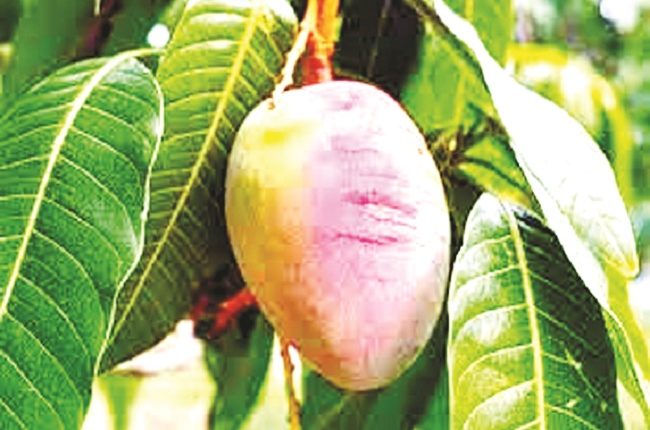
Many Nigerian medicinal plants are used locally for the treatment of typhoid fever by traditional medicine practitioners and herb sellers. Now, in a laboratory evaluation of the efficacy of six medicinal plants used to treat typhoid fever, experts say that water extract of mango leaf was the most effective.

The researchers had tested leaves of Momordica charantia and Ficus exasperata, and stem barks of Lannea egregia, Lophira alata, mango and Morinda lucida. They found that they have varied effectiveness against Salmonella typhi, the germ that is transmitted through the ingestion of contaminated food or drinks, which causes typhoid fever.

For the study, different concentrations of the ethanol and water extracts of these medicinal plants were tested on Salmonella typhi in the laboratory. Their effect was compared with the standard antibiotics, ciprofloxacin and amoxicillin. It was in the University Of Lagos Journal Of Basic Medical Sciences.

All the plant extracts except the water extract of L. alata and ethanolic extract of M. charantia produced anti-salmonella activity. Among the six plants, the most effective in killing the typhoid fever germ was the water decoction of the bark of mango tree followed by that from Morinda lucida. The least was the water extract of M. charantia.

While other plant extracts were effective at concentrations of 12.5 to 50 mg/ml, both the ethanolic and aqueous extracts of L. egregia only inhibited the growth of Salmonella typhi at a concentration of 100 mg/ml and not effective at lower doses. This means that high doses of these plant extracts will be needed for the treatment of typhoid fever.

See also  India police arrest two Nigerian men over marriage scam

Although, the aqueous extract of mango at concentration of 100 mg/ml exhibited the highest antisalmonella activity by producing the highest zone of inhibition among the six studied plants, this activity was less than those of the conventional anti-typhoid drugs, amoxicillin and ciprofloxacin.

Despite the availability of effective conventional medicines, many Nigerians believe in and prefer the use of herbal medicines for the treatment of their ailments. In Lagos State alone, about 80 different medicinal plants are used for the treatment of typhoid fever by traditional medicine practitioners and herb sellers.

Ficus exasperate, commonly called Sand paper tree (English), ‘Ewe Ipin´ (Yoruba), and ‘Anwerenwa´ (Igbo), is used for the treatment of ulcer, cough, hypertension, intestinal pains and epilepsy. Lannea egregia is known locally as ‘Fula-pulaar´ (Guinea), and ‘Ekudan´ (Yoruba). It is used in traditional medicine for the treatment of scurvy, rickets, cancer, anaemia, menorrhagia and after-birth excessive blood loss.

Lophira alata is known as iron wood (English) or ‘Ekki´ and ‘Ponhan´ (Yoruba). Its bark decoctions in traditional medicine are used for the treatment of malaria, pain, menstrual problems, hernia, stomach problems, kidney pain and toothache. Its leaves are used for wound healing, leprosy, respiratory disease, dysentery, yellow fever and insomnia.

Aside, the local use of mango for the treatment of typhoid fever,  it is used as a remedy for exhaustion and heat stroke (unripe mango fruit juice), as food (fruit), for blood disorders, gastrointestinal disorders, scurvy, night blindness caused by Vitamin A deficiency (ripe fruit) diabetes (leaves), and diarrhoea (seed).

See also  Kaduna to dismiss, prosecute 233 teachers for fake certificates

Momordica charantia, commonly called bitter melon, is known locally as ‘Ejinrin wewe´. The concoctions of root or leaf are used for boils and as a sedative, leaf as an analgesic, infusion of leaf and roots for induction of abortion and hastening of childbirth, fruit pulp as insect repellent and roots for diabetes.

Local names for Morinda lucida in Nigeria include ‘Oruwo´ or ‘Eze-Ogu´ or ‘Njisi´ (Igbo). Its local uses include the treatment of malaria, yellow fever, trypanosomiasis, diabetes, hypertension, dysentery, ulcers, leprosy and gonorrhoea, jaundice, ringworm and wound infections.

According to the study, the plant extracts possess anti-salmonella activities, justifying their traditional use in Nigeria for the treatment of typhoid fever and their chemical constituents probably serving as a lead for the production of new antityphoid drugs.

Meanwhile, an ethnobotanical survey of medicinal plants used for the treatment of typhoid fever in Kaduna metropolis, listed over 24 recipes based on self-structured questionnaires administered among herbalists and individuals representing the consumer population.

The recipes, according to the 2020 study in the International Journal of Current Research in Biosciences and Plant Biology, included boiling pineapple, lemon grass, Citrus medica, sweet orange, mango and Vitex doniana (Black plum,  ‘Dinya’ (Hausa), ‘Oriri’ (Yoruba) or ‘Uchakoro’ (Igbo)  in water or water extract from fermented maize (omi ogi). A full cup is taken three times daily.

See also  'We have enough water to quench your fire', Bala Mohammed tells Wike

Others are freshly extracted juices from the fruits of Citrus medica and pineapple that is be taken orally; a full tumbler of pawpaw and garlic that is cut into pieces and boiled in water for about an hour is taken twice daily; and half a tumbler of the concoction made by boiling Olax subscorpioidea (Ufon  (Yoruba); Gwaanon kurmii or Gwaanon raafii in (Hausa), Vitex doniana, ginger, garlic, and pineapple in water for two hours and is taken morning and night for seven days.

In addition, half a tumbler of bitter leaf squeezed in water and mixed with juices of the Citrus fruits is taken three times daily for seven days. Half a tumbler of pawpaw and mango that is boiled with water extract from fermented maize is taken twice daily.

The barks of Olax subscorpioidea and Albizia ferruginea (Ngu (Igbo) or Ayinre-ogo (Yoruba)), are soaked in water for two days and a half tumbler of the concoction taken once daily for 10 days. Albizia ferruginea, Daniellia oliveri (Iya (Yoruba), Ozabwa (Igbo) or Kadaura (Hausa)]  and pineapple is boiled using water or water extract from fermented maize for two hours and this is taken three times daily for seven days.

A cup of grind dried bark of mango tree is sieved and macerated with water is taken a cup twice a day. The leaves of pawpaw and guava are boiled together and taken twice a day. The patient also baths with it.

 

Continue Reading
Click to comment

Leave a Reply

Your email address will not be published. Required fields are marked *

Metro News

NDLEA arrests Ugandan woman with 87 wraps of cocaine hidden in private part

Published

on

By

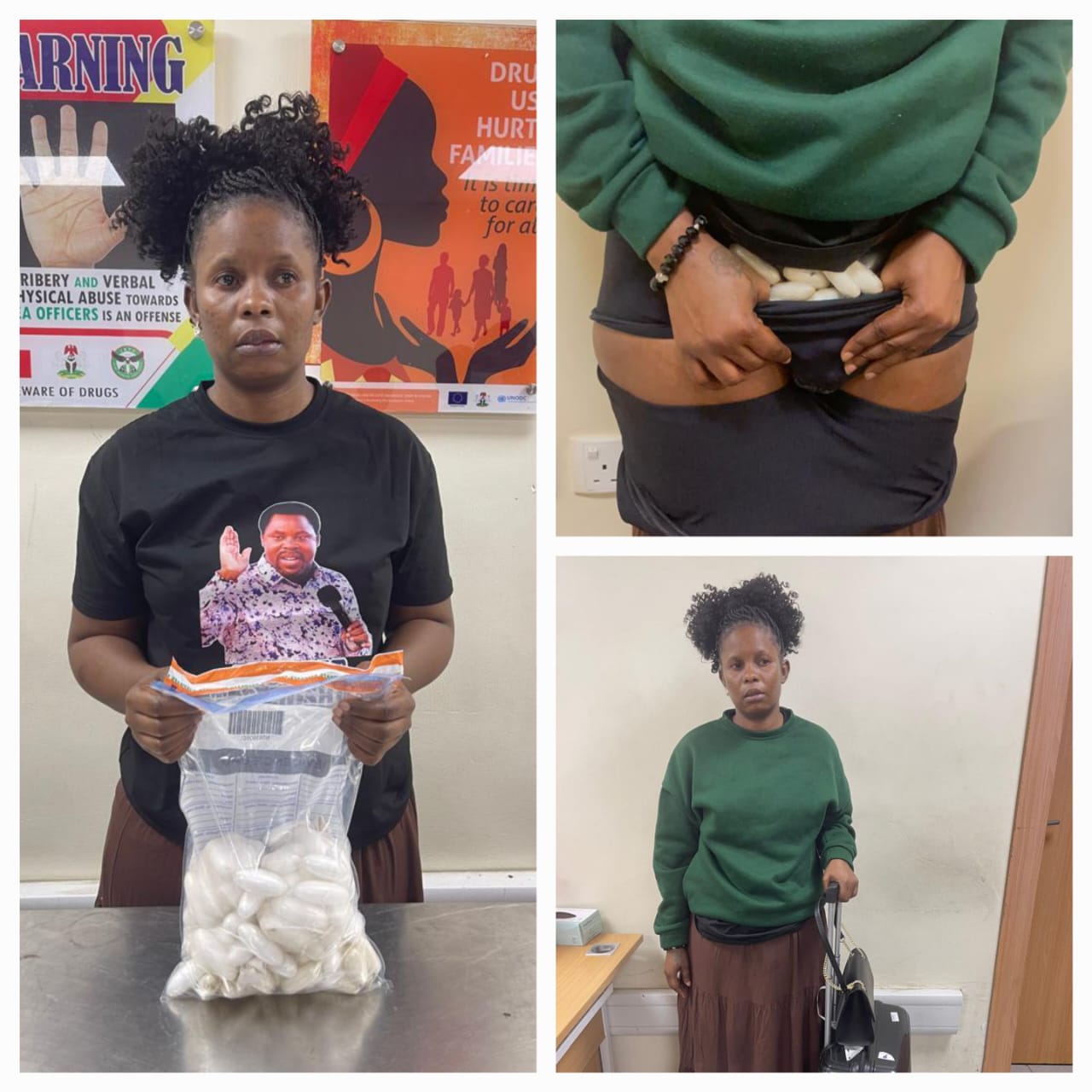
Operatives of the National Drug Law Enforcement Agency ((NDLEA) have arrested a 34-year-old Ugandan woman, Farida Nansubuga,  for allegedly attempting to smuggle 1.15 kilogrammes of cocaine from Nigeria to Uganda.

Nansubuga was arrested at the Murtala Muhammed International Airport, Ikeja, Lagos, on Tuesday, November 3, while preparing to board a flight to Uganda.

According to a statement by the agency’s Director of Media and Advocacy, Femi Babafemi, on Sunday, 87 wraps of cocaine were recovered from her pelvic region, where they had been strapped beneath two layers of underwear.

The suspect reportedly arrived in Nigeria on October 29 with members of her church for a prayer session at the Synagogue Church of All Nations in the Ikotun-Egbe area of Lagos State.

According to Babafemi, the other members of her delegation had returned to Uganda after the prayer session, but Nansubuga remained in Nigeria to allegedly collect the cocaine on behalf of a friend identified as Joy, who lives in Uganda.

He said the suspect was intercepted during a joint passenger screening exercise involving NDLEA operatives and aviation security personnel at Terminal 2 of the airport.

See also  'We have enough water to quench your fire', Bala Mohammed tells Wike

“She came to Nigeria with members of her church for spiritual renewal at a prayer session in Lagos. But when it was time to go home, 34-year-old Ugandan, Ms Farida Nansubuga, chose a different path. While the rest of her delegation flew back to Uganda, she stayed behind, not to pray some more, but to pick up a consignment of cocaine, which she hid in her private part in a bid to smuggle it into her country.

“Her plan, however, came crashing down at the MMIA, Ikeja, Lagos, on Tuesday, 3rd November 2026, when operatives of the NDLEA intercepted her at the screening point of Terminal 2 during a joint passenger screening exercise with aviation security personnel. She was due to board a Ugandan airline flight to her home country,” the statement partly read.

Babafemi said a preliminary investigation reportedly revealed that a contact in Nigeria arranged a vehicle to convey her to a hotel on the morning of her scheduled departure, where an unidentified man handed her the drugs.

See also  We’re after killers  of Sowore's brother– Police

The suspect allegedly told investigators that she was instructed to conceal the cocaine beneath her clothing to evade airport security screening.

He said, “During preliminary interview, the suspect said she arrived in Nigeria on 29th October 2026 with members of her church for a prayer session at The Synagogue Church of All Nations, Ikotun Egbe area of Lagos. She claimed that after the prayer session, the other members of her delegation returned to Uganda while she stayed back to collect the illicit consignment on behalf of a friend, simply identified as Joy, who resides in Uganda.”

She reportedly said that although no definite payment was agreed upon, she expected to receive at least $1,000 after successfully delivering the consignment in Uganda.

The NDLEA Chairman, Brig-Gen. Mohamed Buba Marwa (retd.), described the incident as a reminder of how drug cartels exploit religious activities and travel to recruit couriers.

Marwa, while commending officers involved in the arrest, urged personnel across the agency’s commands to sustain efforts to tackle drug trafficking and abuse.

See also  Hoarding: FG threatens to withdraw fuel marketers’ licences

“The case of the Ugandan woman is a sad reminder that drug cartels will stop at nothing, including exploiting faith and religious travel, to recruit couriers for their deadly trade. I urge officers across all commands to sustain the tempo of their supply and demand reduction efforts, ” he said.

In another operation at the Lagos airport, operatives intercepted 750,000 tablets of Tapentadol 250mg, weighing 526 kilogrammes and valued at N900m.

The consignment, which arrived from India aboard an Ethiopian Airlines flight, was allegedly declared as Paracetamol tablets.

“In another interception at the Lagos airport, NDLEA operatives on Friday, 6th November uncovered 750,000 tablets of Tapentadol 250mg, weighing 526 kilograms with a street value of N900 million, in a consignment from India declared as Paracetamol Tablets 500mg. The consignment, made up of eleven cartons packed in two wooden structures, arrived at the import shed of the airport on Tuesday 3rd November aboard an Ethiopian Airlines flight from Ahmedabad, India,” he said.

Continue Reading

Metro News

NDLEA arrests two France-bound Nigerians with 200 cocaine wraps

Published

on

By

The National Drug Law Enforcement Agency (NDLEA) says its operatives have arrested two Nigerians based in Europe with ingested 200 wraps of cocaine weighing 3.46Kg while attempting to travel from Abuja to Paris, France.

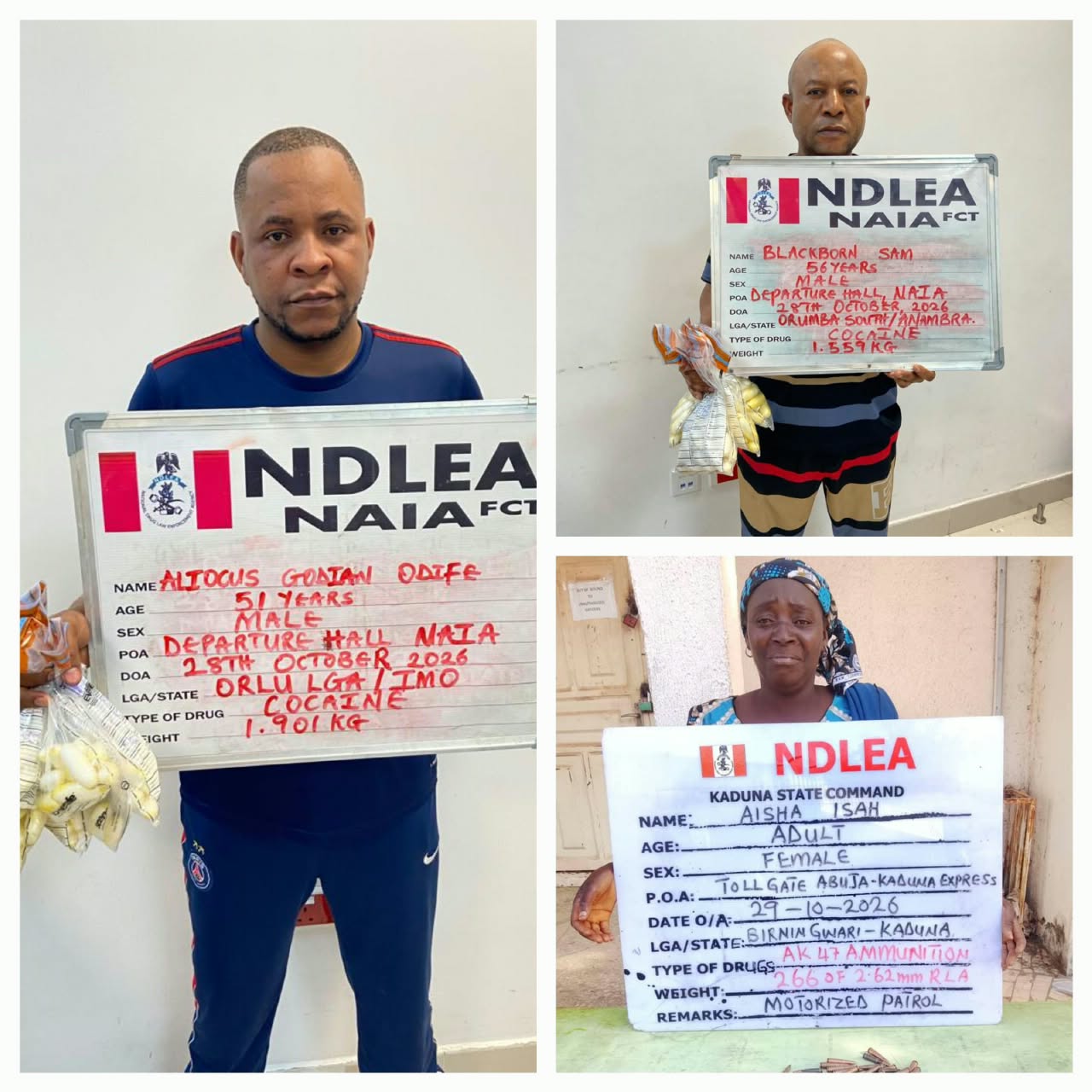
According to a statement issued on Sunday by NDLEA’s spokesperson, Femi Babafemi, the suspects, identified as Aliocus Odife and Sam Blackborn, were arrested on Wednesday, October 28, during the outward clearance of an Air France flight, AF 832, at the Nnamdi Azikiwe International Airport, Abuja.

Babafemi said the suspects, who had returned to Nigeria for holidays, were arrested after body scans confirmed that they had ingested illicit substances.

He said Odife, who lives in France and works in a factory, arrived in Nigeria on October 21 for a short holiday but was arrested while attempting to return to Europe.

Odife was said to have confessed to ingesting 110 wraps of cocaine, which he subsequently excreted under observation. The drugs weighed 1.901kg.

See also  'We have enough water to quench your fire', Bala Mohammed tells Wike

The statement partly read,  “Two Europe-based Nigerian ‘businessmen’ who flew home on holiday and attempted to return to Paris, France with their bellies loaded with cocaine have been arrested by operatives of the  NDLEA at the Nnamdi Azikiwe International Airport, Abuja.

“The duo, Aliocus Godian Odife and Sam Blackborn, were intercepted on Wednesday, 28th October 2026, during the outward clearance of Air France flight AF 832 from Abuja to Paris. Both men have excreted a total of 200 wraps of the Class A drug weighing 3.460 kilogrammes.

“Odife, who claims to live in France where he works in a factory, had arrived in Nigeria for a short holiday on 21st October.

“He was, however, arrested by NDLEA operatives on his return flight a few days later, when he was subjected to a body scan, which confirmed the presence of foreign objects in his stomach.

“Under interview, he admitted to having ingested 110 pellets of cocaine. He was placed under observation during which he excreted all 110 wraps, which tested positive for cocaine with a total weight of 1.901 kilogrammes.”

See also  BRAIN DRAIN: 805 Nigerian doctors got British licence in six months, figure rises to 9,189 – British Agency

Babafemi added that his co-traveller, Blackborn, also tested positive during a body scan and confessed to swallowing 90 wraps of cocaine.

According to the agency, he excreted all the wraps under observation, with the substances weighing 1.559kg.

Meanwhile, NDLEA operatives on patrol along the Abuja-Kaduna Expressway arrested a woman, Aisha Isah, with 266 rounds of live AK-47 ammunition

Continue Reading

Metro News

Yahoo boy jailed seven years for defrauding American $205,238

Published

on

By

A Federal Capital Territory High Court in Abuja has sentenced one Nwachi Chidozie Kingsley to seven years’ imprisonment for defrauding an American woman, Nicole Kierulff Sayers, of $205,238 under false pretence.

According to a statement issued on Thursday by Dele Oyewale, head,  media & publicity of the Economic and Financial Crimes Commission (EFCC),
Justice U.P. Kekemeke of the FCT High Court, Maitama, in his judgement, also also ordered Kingsley to refund the victim the full amount.

The EFCC said Kingsley was sentenced to seven years on each of the two counts against him, with the sentences to run concurrently at the Kuje Correctional Centre, Abuja, without an option of fine.

The charges bordered on possession of a document containing false pretence and obtaining money by false pretence in connection with a purported contract with the Federal Ministry of Works and Housing.

According to the Commission, one of the charges accused Kingsley of possessing a fake notice of intent to award a contract allegedly issued in his name by the ministry. The second count accused him of obtaining $205,238 from Sayers by falsely claiming that the money was needed to finance a government contract.

See also  Hoarding: FG threatens to withdraw fuel marketers’ licences

Testifying before the court, Sayers, an American lawyer based in Oregon, United States, said Kingsley first contacted her through Facebook on her birthday.

“I know the defendant. The defendant messaged me on Facebook on my birthday and he said he was a member of the same spiritual organization as me,” she told the court.

Sayers said their conversations later developed into a romantic relationship, which made her trust Kingsley and believe his claims.

According to her testimony, Kingsley subsequently requested money to facilitate the award of a contract by the Federal Ministry of Works and Housing. She said he claimed that some men were threatening his life because he had not provided the money required to secure the contract.

The witness told the court that Kingsley supplied her with details of the purported contract, including a logo and other information, which she believed because of the emotional attachment she had developed towards him.

She said his initial request was for $15,000, which he promised to repay within 45 days. She transferred the money through a money transfer application.

See also  We’re after killers  of Sowore's brother– Police

Sayers further testified that Kingsley later introduced her to members of his family during a video call, during which they allegedly thanked her for helping him secure the purported contract.

She said she had transferred approximately $40,000 to him before travelling to Nigeria to meet him in person.

According to the witness, she arrived in Abuja in March 2022 and spent two weeks with Kingsley at his rented house in Sun City, Abuja. She said she continued the relationship because she wanted to recover her money.

Sayers alleged that Kingsley subsequently requested additional funds for various purposes, including medical emergencies, surgeries, malaria treatment and supplies for the purported government contract.

She told the court that the requests involved more than 125 transactions and that, by her estimate, she transferred well over $200,000 to him within 12 months.

The witness also said Kingsley presented a document he claimed showed that he had attempted to transfer $10,000 to her.

See also  BRAIN DRAIN: 805 Nigerian doctors got British licence in six months, figure rises to 9,189 – British Agency

According to her, he claimed that the bank had intercepted the transaction because the money was allegedly linked to the misappropriation of government funds, which he said had led to his arrest and detention.

Sayers further alleged that Kingsley asked her to provide money for his bail and for bribes connected to the purported criminal case.

She told the court that she repeatedly demanded a refund, adding that Kingsley eventually requested her bank details and promised to transfer the money the following day but failed to do so.

She said she later realised that he would not repay the money.

At the conclusion of the prosecution’s case, EFCC counsel, Fatsuma Muhammad, urged the court to convict and sentence Kingsley in accordance with the law.

In his judgment, Justice Kekemeke found Kingsley guilty on the two counts and imposed the prison terms without an option of fine. The court also ordered him to restitute the $205,238 to Sayers.

Continue Reading

Trending News