Connect with us

Metro News

Scientists okay local medicinal plants for treatment of Typhoid Fever

Published

on

TYPHOID FEVER


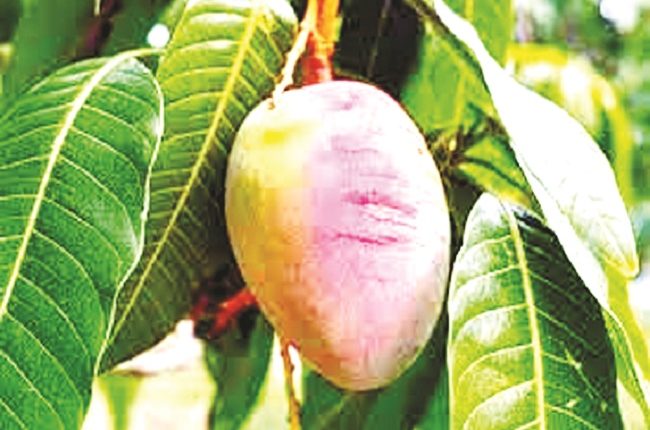
Many Nigerian medicinal plants are used locally for the treatment of typhoid fever by traditional medicine practitioners and herb sellers. Now, in a laboratory evaluation of the efficacy of six medicinal plants used to treat typhoid fever, experts say that water extract of mango leaf was the most effective.

The researchers had tested leaves of Momordica charantia and Ficus exasperata, and stem barks of Lannea egregia, Lophira alata, mango and Morinda lucida. They found that they have varied effectiveness against Salmonella typhi, the germ that is transmitted through the ingestion of contaminated food or drinks, which causes typhoid fever.

For the study, different concentrations of the ethanol and water extracts of these medicinal plants were tested on Salmonella typhi in the laboratory. Their effect was compared with the standard antibiotics, ciprofloxacin and amoxicillin. It was in the University Of Lagos Journal Of Basic Medical Sciences.

All the plant extracts except the water extract of L. alata and ethanolic extract of M. charantia produced anti-salmonella activity. Among the six plants, the most effective in killing the typhoid fever germ was the water decoction of the bark of mango tree followed by that from Morinda lucida. The least was the water extract of M. charantia.

While other plant extracts were effective at concentrations of 12.5 to 50 mg/ml, both the ethanolic and aqueous extracts of L. egregia only inhibited the growth of Salmonella typhi at a concentration of 100 mg/ml and not effective at lower doses. This means that high doses of these plant extracts will be needed for the treatment of typhoid fever.

See also  Electricity tariff hike: We’ll go back to drawing board, FG tells labour

Although, the aqueous extract of mango at concentration of 100 mg/ml exhibited the highest antisalmonella activity by producing the highest zone of inhibition among the six studied plants, this activity was less than those of the conventional anti-typhoid drugs, amoxicillin and ciprofloxacin.

Despite the availability of effective conventional medicines, many Nigerians believe in and prefer the use of herbal medicines for the treatment of their ailments. In Lagos State alone, about 80 different medicinal plants are used for the treatment of typhoid fever by traditional medicine practitioners and herb sellers.

Ficus exasperate, commonly called Sand paper tree (English), ‘Ewe Ipin´ (Yoruba), and ‘Anwerenwa´ (Igbo), is used for the treatment of ulcer, cough, hypertension, intestinal pains and epilepsy. Lannea egregia is known locally as ‘Fula-pulaar´ (Guinea), and ‘Ekudan´ (Yoruba). It is used in traditional medicine for the treatment of scurvy, rickets, cancer, anaemia, menorrhagia and after-birth excessive blood loss.

Lophira alata is known as iron wood (English) or ‘Ekki´ and ‘Ponhan´ (Yoruba). Its bark decoctions in traditional medicine are used for the treatment of malaria, pain, menstrual problems, hernia, stomach problems, kidney pain and toothache. Its leaves are used for wound healing, leprosy, respiratory disease, dysentery, yellow fever and insomnia.

Aside, the local use of mango for the treatment of typhoid fever,  it is used as a remedy for exhaustion and heat stroke (unripe mango fruit juice), as food (fruit), for blood disorders, gastrointestinal disorders, scurvy, night blindness caused by Vitamin A deficiency (ripe fruit) diabetes (leaves), and diarrhoea (seed).

See also  How Emefiele received directive from Buhari’s ex-aide to redesign Naira notes – Report

Momordica charantia, commonly called bitter melon, is known locally as ‘Ejinrin wewe´. The concoctions of root or leaf are used for boils and as a sedative, leaf as an analgesic, infusion of leaf and roots for induction of abortion and hastening of childbirth, fruit pulp as insect repellent and roots for diabetes.

Local names for Morinda lucida in Nigeria include ‘Oruwo´ or ‘Eze-Ogu´ or ‘Njisi´ (Igbo). Its local uses include the treatment of malaria, yellow fever, trypanosomiasis, diabetes, hypertension, dysentery, ulcers, leprosy and gonorrhoea, jaundice, ringworm and wound infections.

According to the study, the plant extracts possess anti-salmonella activities, justifying their traditional use in Nigeria for the treatment of typhoid fever and their chemical constituents probably serving as a lead for the production of new antityphoid drugs.

Meanwhile, an ethnobotanical survey of medicinal plants used for the treatment of typhoid fever in Kaduna metropolis, listed over 24 recipes based on self-structured questionnaires administered among herbalists and individuals representing the consumer population.

The recipes, according to the 2020 study in the International Journal of Current Research in Biosciences and Plant Biology, included boiling pineapple, lemon grass, Citrus medica, sweet orange, mango and Vitex doniana (Black plum,  ‘Dinya’ (Hausa), ‘Oriri’ (Yoruba) or ‘Uchakoro’ (Igbo)  in water or water extract from fermented maize (omi ogi). A full cup is taken three times daily.

See also  Baba gets Police council’s confirmation as IGP

Others are freshly extracted juices from the fruits of Citrus medica and pineapple that is be taken orally; a full tumbler of pawpaw and garlic that is cut into pieces and boiled in water for about an hour is taken twice daily; and half a tumbler of the concoction made by boiling Olax subscorpioidea (Ufon  (Yoruba); Gwaanon kurmii or Gwaanon raafii in (Hausa), Vitex doniana, ginger, garlic, and pineapple in water for two hours and is taken morning and night for seven days.

In addition, half a tumbler of bitter leaf squeezed in water and mixed with juices of the Citrus fruits is taken three times daily for seven days. Half a tumbler of pawpaw and mango that is boiled with water extract from fermented maize is taken twice daily.

The barks of Olax subscorpioidea and Albizia ferruginea (Ngu (Igbo) or Ayinre-ogo (Yoruba)), are soaked in water for two days and a half tumbler of the concoction taken once daily for 10 days. Albizia ferruginea, Daniellia oliveri (Iya (Yoruba), Ozabwa (Igbo) or Kadaura (Hausa)]  and pineapple is boiled using water or water extract from fermented maize for two hours and this is taken three times daily for seven days.

A cup of grind dried bark of mango tree is sieved and macerated with water is taken a cup twice a day. The leaves of pawpaw and guava are boiled together and taken twice a day. The patient also baths with it.


Continue Reading
Click to comment

Leave a Reply

Your email address will not be published. Required fields are marked *

Metro News

Nigerian arrested over alleged sex crimes in US, faces deportation

Published

on

By


A 53-year-old Nigerian, Olatunde Olusanjo, has been arrested in Los Angeles by the US Immigration and Customs Enforcement (ICE) over alleged sexual offences.

According to ICE, Olusanjo was arrested on April 21, 2026, by its Enforcement and Removal Operations (ERO) unit and is currently in its custody pending deportation proceedings.

In a social media post by its Los Angeles office, the agency linked his arrest to prior criminal allegations, including child molestation, sexual battery and sexual solicitation.

It described Olusanjo as a “criminal alien and convicted sex offender”.

“Los Angeles ERO arrested Olatunde Abiodun Olusanjo, 53, of Nigeria, Apr. 21,” the statement reads.

“Olusanjo has previous arrests for child molestation, sexual battery and soliciting lewd conduct. He is in ICE custody pending removal.”

The arrest comes amid continued enforcement actions by US  authorities against foreign nationals with prior criminal records.

In recent years, several Nigerians have been arrested and prosecuted in the US for offences ranging from cybercrime to violent and sexual-related charges.

See also  Man, girlfriend sell one-month-old baby to fund drug addiction in Edo

In February, the US Department of Homeland Security (DHS) said it had arrested 79 Nigerians described as among the “worst of the worst” criminal offenders.

The suspects faced allegations ranging from sexual assault, fraud, manslaughter, cocaine smuggling, kidnapping, and robbery.

Continue Reading

Metro News

Thai Police find N67m, cocaine in Nigerian suspect’s home

Published

on

By

Operatives of the Thailand Police have arrested Nigerian national, Nwaiwu Ifeanyi, following the discovery of approximately 1.5 million baht (over N67 million) hidden in the ceiling of his bathroom during a late-night raid.

The operation, carried out over the weekend, also led to the arrest of three other individuals believed to be connected to the same drug distribution network.

Authorities reportedly recovered cocaine, cash, a vehicle, and valuable jewellery during the raid.

According to details from Khaosod English, investigators had been monitoring the suspect’s activities before apprehending him near Silom Soi 1. At the point of arrest, officers allegedly found about 27 grams of cocaine in his possession.

The other suspects taken into custody include a Swiss national, Thomas Giubibini, alongside two Thai nationals identified as Thanayot Asawamethi and Nattawat Wangkitjinda. All are facing charges related to drug possession.

In total, authorities said they seized roughly 30 grams of cocaine, cash amounting to 1.5 million baht, additional foreign currency worth about 15,000 baht, and jewellery estimated at 400,000 baht.

See also  Man, girlfriend sell one-month-old baby to fund drug addiction in Edo

Investigators disclosed that Ifeanyi had lived in Thailand for over 17 years under a family visa obtained through a Thai spouse. However, officials now suspect the marriage may have been arranged to facilitate his stay and operations.

Police further alleged that the suspect coordinated drug transactions through encrypted messaging platforms, which officers were able to infiltrate before making the arrests. He reportedly resisted arrest but was subdued, after which he is said to have admitted involvement in the illicit activities.

The arrest comes amid ongoing efforts by Thai authorities to clamp down on drug trafficking networks. It also follows a recent case involving another Nigerian, Ukoma Nuzbech, who was earlier arrested for allegedly evading trial in a separate drug-related case.

Continue Reading

Metro News

NDLEA intercepts UK-bound Cocaine, Loud concealed in food flasks, snacks

Published

on

By


Operatives of the National Drug Law Enforcement Agency (NDLEA) have intercepted cocaine concealed in food flasks bound for the United Kingdom.

According to a statement signed by the Director, Media & Advocacy, Femi Babafemi, on Sunday, the interception took place on April 9, 2026, leading to the arrest of two cargo agents, Ama Obinna Ufeim, 33, and Ogabi Monday Akorede, 39.

The agency disclosed that 12 large parcels of cocaine weighing 2.80 kilograms were discovered hidden in the false bottom of food flasks at the export shed of the Murtala Muhammed International Airport in Ikeja, Lagos.

The illicit consignment was scheduled for shipment via a Virgin Atlantic flight to the UK.

Further investigations identified the sender as a 52-year-old freight forwarder, Agoro Tajudeen Moninuola, who was subsequently apprehended.

In a separate operation at the airport’s import shed, NDLEA officers on April 8 intercepted 2.90 kilograms of “Loud,” a potent strain of cannabis, concealed in snack food packs arriving from the United States aboard a Delta Air Lines flight.

See also  Presidency discloses when Buhari will sign electoral bill

Two clearing agents, Animashaun Moshood Adetunji and Mercy Gabriel Oluwasegun, were initially arrested, while the consignee, 29-year-old fashion designer Saheed Adeshina Adegoke, was later nabbed at his residence in Ogba, Lagos.

Continue Reading

Trending News