Connect with us

Business

World Bank approves $1.57bn for Nigeria to improve healthcare services, address flooding

Published

on

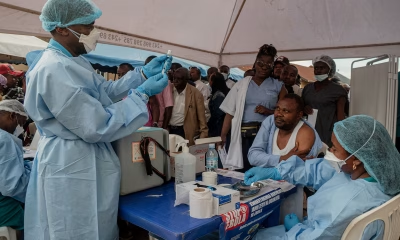
The World Bank says it has approved three new financing totalling $1.57 billion to support Nigeria.

The Washington-based organisation announced in a statement on Monday.

The international lender said the approved funds will support the federal government in strengthening human capital through better health for women, children and adolescents.

World Bank also said the approved projects would also help build resilience to the effects of climate change such as floods and drought through improving dam safety and irrigation.

“The World Bank has today approved three operations for a total of $1.57 billion to support the government of Nigeria in strengthening human capital through better health for women, children and adolescents and building resilience to the effects of climate change such as floods and droughts through improving dam safety and irrigation,” World Bank said.

“The new financing includes $500 million for addressing governance issues that constrain the delivery of education and health (HOPE-GOV), $570 million for the Primary Healthcare Provision Strengthening Program (HOPE-PHC) and $500 million for the Sustainable Power and Irrigation for Nigeria Project (SPIN).

“The HOPE-GOV and HOPE-PHC programs combined will support the government of Nigeria to improve service delivery in the basic education and primary healthcare sectors which are critical towards improving Nigeria’s human capital outcomes.

See also  Tinubu not planning to rename Nigeria, abolish Sharia law — Presidency

“The SPIN project will support improvement of dams’ safety and management of water resources for hydropower and irrigation in selected areas of Nigeria.”

According to the international lender, the HOPE-GOV programme will support Nigeria to address underlying governance weaknesses in the systems and procedures of government in two key human development sectors.

“It will particularly focus on critical cross-cutting challenges and enabling factors related to both financial and human resource management in basic education and primary healthcare sectors,” the World Bank said.

“The program will increase availability and effectiveness of financing for basic education and primary healthcare service delivery, enhance transparency and accountability of financing and improve recruitment, deployment and performance management of basic education teachers and primary healthcare workers by federal, state, and local governments.

“In support of the government’s newly launched reforms in the health sector, under the Health Sector Renewal Investment Initiative, the HOPE-PHC project will improve the quality and utilization of core reproductive, maternal, newborn, child, and adolescent health and nutrition services to substantially reduce maternal and under five mortality and to improve the resilience of the health system— benefiting 40 million people, especially vulnerable populations.”

See also  Why I picked Okowa as my running mate -Atiku (Full speech)

The World Bank also said the HOPE-PHC project is financed by a concessional $500 million International Development Association (IDA) credit and an additional $70 million in grant financing from the Global Financing Facility for Women, Children and Adolescents (GFF).

“The GFF support includes $11 million from the UK Foreign, Commonwealth & Development Office (FCDO) and $12.5 million from the Children’s Investment Foundation Fund (CIFF) through joint financing with the GFF to help close the financing gap for primary and community healthcare and maternal newborn care at hospital-level, while also supporting government efforts to ensure sustainable financing for family planning commodities,” World Bank said.

“The SPIN Program will help Nigeria to protect citizens from floods and drought through enhanced dam safety and operations. The project will further support the provision of new and improved irrigation and drainage services over an area of 40,000 hectares.

“This will help up to 950,000 people that includes households, farmers, and livestock breeders to directly benefit from more reliable, climate-resilient, and efficient irrigation, water supply and increased agricultural productivity through improved irrigation water management.

See also  ExxonMobil announces plan to invest $10bn in Nigeria’s deep-water oil operations

“Through the SPIN project, the government will develop a master plan for hydropower and a structured public private partnership transaction for a hydropower project.”

FUND WILL ADDRESS DIFFICULTIES FACED BY WOMEN, GIRLS 

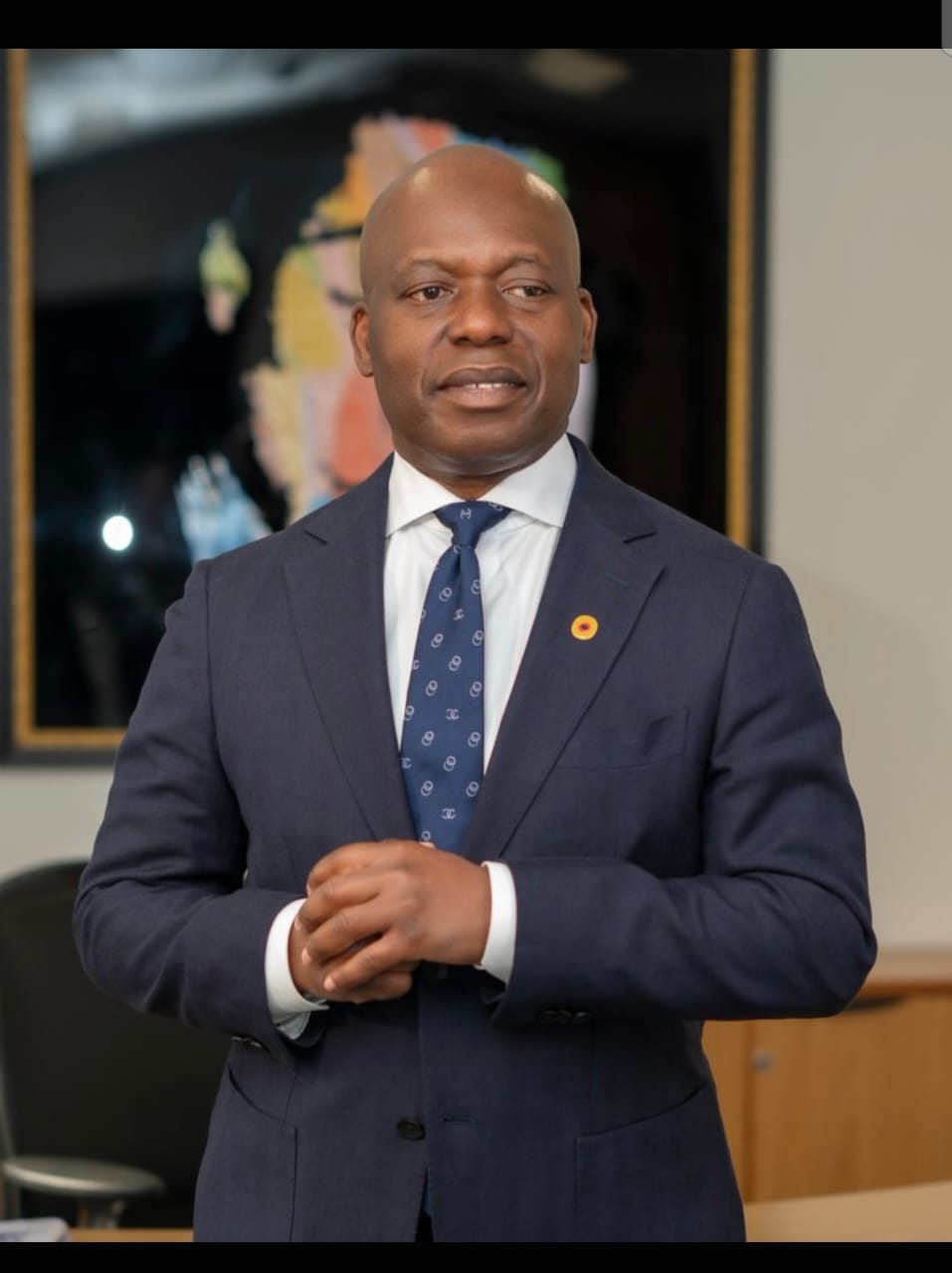
Commenting on the development, Ndiamé Diop, World Bank country director for Nigeria, said the new financing for human capital and primary healthcare will help to address the complex difficulties faced by Nigerians, especially women and girls around access and quality of services.

“Effective investment in the health and education of Nigerians today is central to increasing their future employment opportunities, productivity, and earnings, while reducing poverty of the most vulnerable,” Diop said.

“The SPIN program is timely and will protect Nigerians from floods and droughts in the areas where it will be implemented, while enabling an increase in hydropower generation.”

He also said the World Bank is ready to work with the federal government and other stakeholders to deliver the programmes.

Diop added that the direct positive impact of the project on people and livelihoods is enormous.

Business

Wale Tinubu Leads Oando to Another Landmark Profit

Published

on

By

By Adebayo Adeoye

For Jubril Adewale Tinubu, CON, Group Chief Executive of Oando Plc, the business of building an enduring corporate institution appears to be a journey without a finish line. Just when it seems the indigenous energy giant has taken another significant leap; the company finds yet another reason to command attention in the competitive energy sector.

The energy tycoon has continued to demonstrate that building a formidable business institution requires vision, courage and an unrelenting appetite for growth. At Oando Plc, the results of that determination are increasingly becoming difficult to ignore.

Under his watch as Group Chief Executive, the indigenous energy company has continued to push the boundaries of its operations, recording another impressive performance that reinforces its growing influence in the energy industry.

The energy guru whose corporate journey has been closely intertwined with Oando’s evolution, the latest results represent another opportunity to consolidate the company’s position and strengthen its ambitions in a highly competitive sector.

Oando reported revenue of ₦2.78 trillion for the nine months ended September 30, 2026, representing a nine per cent increase from the ₦2.54 trillion recorded during the corresponding period of the previous year.

See also  Rising population: Nigeria sitting on time bomb – Oba Akiolu

However, the real talking point is not just the growth in revenue but the remarkable turnaround in its operating performance. The company posted an operating profit of ₦159.7 billion, reversing the operating loss of ₦109.7 billion recorded in the corresponding period of 2025. Gross profit also climbed significantly to ₦174.5 billion from ₦29.8 billion.

Its production numbers equally tell a story of growing capacity. Average daily production rose by 14 per cent to 42,985 barrels of oil equivalent, compared with 37,614 barrels in the previous year. This improvement reflects increased output across its crude oil, gas and natural gas liquids operations.

For a company that has consistently pursued an ambitious growth strategy, the improvement in production efficiency is particularly significant. Production operating costs declined by 22 per cent to $15.39 per barrel of oil equivalent, while facility uptime improved to 96.1 per cent from 85 per cent.

These developments point to the benefits of sustained investment, improved asset management and a deliberate effort to strengthen operational performance. In an industry where production disruptions and rising operating expenses can significantly affect profitability, Oando’s latest figures suggest that the company is making progress in addressing some of the challenges associated with its expanding operations.

See also  ExxonMobil announces plan to invest $10bn in Nigeria’s deep-water oil operations

Wale Tinubu, who has remained at the forefront of Oando’s transformation, has continued to push the company towards greater efficiency and expansion. During the reporting period, the company generated ₦285 billion in cash from operations and invested ₦110.7 billion in capital expenditure, largely directed towards drilling activities across its OML 60–63 assets.

The investments underscore the company’s determination to sustain production growth while improving the performance of its existing assets. Rather than resting on the achievements of previous years, Oando appears focused on strengthening its operational foundation and creating room for further expansion.

The company also recorded a reduction in total borrowings to ₦2.16 trillion, another development that speaks to its ongoing efforts to strengthen its financial position. For investors and industry watchers, the combination of improved operating profitability, increased production and lower borrowings provides important indicators of the company’s evolving financial and operational outlook.

Nevertheless, challenges remain. Profit after tax declined to ₦106.5 billion from ₦201.3 billion in the corresponding period of 2025, reflecting, among other factors, the pressure of finance costs associated with its acquisition-related debt. It is a reminder that despite the encouraging operational figures, the company still has financial obligations to manage as it pursues its long-term ambitions.

See also  Tinubu not planning to rename Nigeria, abolish Sharia law — Presidency

Still, the improvement in operating profitability and production performance provides considerable encouragement. The figures also reinforce the importance of sustained investment and disciplined execution in an energy industry that continues to experience significant changes.

For Tinubu, the latest results represent more than another set of impressive numbers. They reinforce Oando’s determination to deepen its footprint, strengthen its indigenous credentials and position itself as a formidable player in Africa’s evolving energy landscape.

Clearly, the Oando story is still unfolding, and under Tinubu’s watch, the company appears unwilling to surrender its place at the table of industry leaders.

Continue Reading

Business

Wema Bank unveils top 21 finalists for Hackaholics 7.0 grand finale

Published

on

By

Wema Bank, Nigeria’s oldest indigenous bank and pioneer of Africa’s first fully digital bank, has unveiled the Top 21 finalists for Hackaholics 7.0.

The 21 finalists will compete for honours at the grand finale scheduled for Friday, November 6, 2026, in Lagos.

Themed Festival of the Future, the grand finale will bring together innovators, technology leaders, startup founders, investors and key players in Nigeria’s innovation ecosystem for an immersive celebration of ideas, technology and the possibilities shaping the future.

The Top 21 finalists are: Dynalimb, Harthiq, Acceede, Vhorde, URI, Trarrk, SocialSign, RaverPay, All-Arbitrates, CitizensGage, Craft-Planet, FOID, PayByPalm, Niteonn, Nexa-AI, Neural-Forge, MamaAlert, JolliFlow, Becca, CropiQ and Middleman.

Hackaholics is Wema Bank’s youth and start-up-focused initiative, designed to provide young innovators with a platform to transform creative, technology-driven ideas into practical solutions to real-world challenges and gain a competitive edge in the global technology and digital space.

Since its launch in 2019, the initiative has recorded over 21,000 applicants, engaged more than 50,000 participants, supported over 10,000 startups across three countries and developed more than 100 solutions from scratch.

See also  Tinubu not planning to rename Nigeria, abolish Sharia law — Presidency

The 7th edition, which commenced on July 1, 2026, attracted 5,329 participants and generated 1,632 innovative ideas and solutions across seven pitch-centre locations: Uyo, Kano, YabaTech, Benin, Ibadan, Enugu and Lagos. Following the nationwide tour, 59 participants emerged from the various centres, with the Top 21 selected through a rigorous, multi-stage evaluation process.

The Hackaholics 7.0 grand finale week will feature a three-day programme of strategic engagement and innovation-focused activities.

On Wednesday, November 4, the finalists will participate in the Pre-Pitch, where they will present refined versions of their solutions.

This will be followed by the Ecosystem Tour on Thursday, November 5, powered by Wema Bank, offering participants the opportunity to visit leading institutions within the technology and innovation ecosystem, interact with industry professionals and gain practical insights ahead of the final competition.

The programme will culminate in the grand finale on Friday, November 6, where outstanding innovators will be recognised and celebrated.

See also  Insecurity: UK govt warns citizens against travelling to 12 states in Nigeria

Through Hackaholics, Wema Bank continues to demonstrate its commitment to advancing Nigeria’s innovation ecosystem by identifying emerging talent, creating opportunities for young innovators and supporting the development of solutions to real-world challenges.

The initiative reinforces the Bank’s role in empowering the next generation of innovators and building an ecosystem where ideas can thrive and possibilities become reality.

Continue Reading

Business

Wema Bank sets November 6 for HACKAHOLICS 7.0 grand finale, unveils ‘Festival of the future’ as theme

Published

on

By

Wema Bank, Nigeria’s oldest indigenous bank, most innovative and pioneer of Africa’s first fully digital bank, ALAT, has announced November 6, 2026, as the date for the grand finale of Hackaholics 7.0, its flagship innovation platform.

Themed ‘Festival of the Future’, the grand finale will bring together innovators, technology leaders, startup founders, investors and other key players in Nigeria’s innovation ecosystem for an immersive celebration of ideas, technology and the possibilities shaping the future.

Beyond the much anticipated announcement of this year’s Hackaholics finalists, the event will feature innovation showcases, interactive experiences and conversations exploring how emerging technologies are transforming the way people live, work, build and create.

Designed to go beyond the traditional innovation competition, the Festival of the Future will provide a platform for participants and attendees to experience emerging technologies, discover innovative solutions, connect with industry players and engage in conversations about the opportunities and challenges of a rapidly evolving world.

The event will also recognise and celebrate outstanding innovators whose ideas have demonstrated the potential to address real-world challenges and create meaningful impact.

Speaking on the significance of the grand finale and the inspiration behind the Festival of the Future, Wema Bank’s MD/CEO, Moruf Oseni, explained that the concept builds on the Bank’s commitment to creating a future of possibilities while encouraging Nigerians to take a more active role in shaping that future.

See also  Tinubu thanks God for bringing him back to Nigeria

“The world is changing at an unprecedented pace. Artificial intelligence and emerging technologies are transforming industries, businesses and everyday life, creating opportunities that would have been difficult to imagine just a few years ago. The question is no longer simply what the future holds, but how prepared we are to shape it.

“This thinking inspired the Festival of the Future. We want to create an experience that brings innovation closer to people, encourages meaningful conversations and challenges us to think differently about how we will live, work, build and create in the years ahead,” he said.

Reaffirming Wema Bank’s commitment to supporting innovation and empowering young Nigerians, Oseni noted that Hackaholics has continued to evolve beyond a competition into a platform for discovering talent, nurturing ideas and connecting innovators with opportunities.

“Since we launched Hackaholics, our goal has remained consistent; to provide young Nigerians with the platform, resources, opportunities and support they need to transform their ideas into practical solutions. We believe that the future of innovation in Nigeria must be driven by the talent, creativity and potential of our people.

See also  Nigeria puts three old presidential aircraft up for sale

“With Hackaholics 7.0, we are taking that commitment further. Beyond recognising outstanding ideas, we want to bring together the people, conversations and experiences that can inspire the next generation of solutions.

“Our ambition is to continue building an ecosystem where innovation thrives, possibilities are unlocked and Nigeria is better positioned for the future,” he added.

Launched on July 1, 2026, under the theme “Powering Possibilities,”Hackaholics 7.0 commenced with a nationwide pitch centre tour designed to discover and support innovative ideas from young Nigerians across different regions of the country.

The four-month tour attracted 5,329 participants and 1,632 innovative ideas and solutions, with pitch centres hosted across seven locations: Uyo, Kano, Yabatech, Benin, Ibadan, Enugu and Lagos.

Through three distinct tracks; the Ideathon, Hackathon and Social Impact, the initiative provided opportunities for students, graduates, technology enthusiasts, developers and social innovators to present solutions addressing challenges across different sectors.

The Ideathon focused on promising ideas, the Hackathon provided a platform for technology developers and builders, while the Social Impact track recognised solutions designed to deliver measurable value to society.

See also  Insecurity: Nigeria takes delivery pf six more A-29 Super Tucano fighter jets

At the conclusion of the nationwide tour, 59 participants emerged from the various pitch centres, reflecting the diversity of ideas, talent and innovation discovered throughout the programme.

As Hackaholics 7.0 progresses towards its final stage, the 59 finalists will be further shortlisted to 20, who will present refined versions of their solutions at the Pre-Pitch scheduled for November 4, 2026.

On November 5, the participants will embark on an Ecosystem Tour powered by Wema Bank, providing an opportunity to visit other top institutions within the technology and innovation ecosystem, interact with industry professionals and gain practical insights ahead of the grand finale.

The journey will culminate on November 6 at the Festival of the Future, where the top innovators will be recognised and celebrated.

Through Hackaholics, Wema Bank continues to demonstrate its commitment to driving innovation, supporting entrepreneurship and creating opportunities for young Nigerians to contribute meaningfully to economic development.

Continue Reading

Trending News