Connect with us

Opinion

Can Europe, US & South America learn from South Africa’s Ministry of Health response to first and second Covid-19 waves?

Published

on


While leaders in the United States and Brazil rejected scientific and medical advice, and chose to embrace conspiracy theories, South Africa’s Ministry of Health immediately adopted a science and fact-based approach to fighting Covid-19. The Ministry fought the virus, not the science.

Since the first coronavirus case was reported in South Africa on 5 March 2020, the planning and strategies of the Ministry of Health was centred on curtailing the spread of Covid-19 infections and protecting the country’s health system. This was achieved through an integrated approach with the South African government.

Hitting the ground running: the first wave
One of the first things that Minister of Health, Dr Zwelini Mkhize, did was to appoint a Covid-19 Ministerial Advisory Committee (MAC) to provide him with high-level strategic advice. The MAC on COVID-19 consists of four committees: Pathology and Laboratory, Clinical, Public Health, Research.

Each of these committees reviewed local and international research and experiences, and advised Minister Mkhize on the management, delivery, and co-ordination of services related to the Covid-19 response.

Allied to the MACs was the formation of the National Command Council (NCC) – which comprises a number of scientists, medical professionals, and government officials – all leaders in their respective fields. The NCC guided government’s response to the pandemic – including its decision to implement a Level 5 lockdown of the country between March and April 2020. The sometimes stringent – but disciplined – approach to managing the pandemic saw infection rates dip drastically in the first wave.

The results of this holistic team were the quick establishment of field hospitals around the country to cope with a predicted surge of Covid-19 patients during the first wave of infections. This eased the burden on saturated permanent hospitals and facilities. The MAC understood that in the South African context, the management of quarantining was paramount. For individuals who were unable to self-isolate or quarantine themselves at home in the first wave, the government provided 438 quarantine facilities across the country.

This significantly reduced the spread of the virus within communities. Community health workers and local clinics that service rural and township settlements were equipped with personal protective equipment (PPE), testing facilities and necessary education to effectively safeguard their communities during the first wave of this pandemic.

See also  Ramaphosa sworn in for second term as South Africa’s president

The National Control Council’s integration, engagement and co-ordination with the MAC resulted in the creation of these life-saving infrastructures.

Tackling the second wave
During the country’s summer holidays (December 2020 – January 2021), South Africa entered the second wave of infection. The Health Department’s pro-active approach continued. Nelson Mandela Bay in the Eastern Cape province had already been declared a hotspot, and resources were mobilised for that city. Minister Mkhize had already been to coastal areas where infection rates were rapidly rising to assess what resources needed to be sent there.

He continued to mobilise resources to these challenged areas as much as possible. President Ramaphosa addressed the nation, warning of possible lockdowns and restrictions if the public did not remain vigilant about mask-wearing, social distancing and sanitizing.
While other world leaders were already touting instant miracle cures and vaccines at that time, the Health Department adopted a sensible approach by emphasising non-pharmaceutical interventions like mask-wearing whilst it explored the formidable challenge of securing appropriate vaccines for more than 50 million citizens.

Clear, consistent, effective, diverse messaging

Throughout the pandemic, representatives of the Ministry, led by Minister Mkhize, were hands-on, visible and vocal in their messaging and communications around Covid-19. Daily statements from the Ministry outlining rates of infections, testing, deaths (and later vaccinations) were provided to media via email, WhatsApp and other channels.

A dedicated coronavirus website was established. The site was free to access – even without an internet connection. The portal contained information on symptoms, treatments and contacting health authorities, as well as a host of resources for media.
The Ministry communicated a clear and unequivocal message of hand-washing, mask-wearing and social distancing that was run on diverse communication platforms in all of South Africa’s main languages. This approach ensured that even the least socio-economically empowered could take the necessary measures to curb Covid-19’s spread. All of the co-ordinated messaging and planning – including the countrywide lockdown – hinged on one specific principle: containment.

The Ministry also communicated these messages via music to reach the country’s youth. An example of this innovative approach is the production and dissemination of a music video by the Ndlovu Youth Choir.
The science behind the Covid-19 fight was simplified for media and the public at large. As an example, head of the Covid-19 MAC, Prof Saleem Abdul Kareem, often presented and explained the virus’s trajectory in an easy-to-understand manner. He also made himself available to various media for interviews.

See also  Hisbah, Alcohol, VAT: An Unpopular Opinion

The head of the Vaccine MAC, Prof Barry Schoub, later adopted this approach, when the country’s vaccine rollout began.
The Ministry also celebrated and honoured the role of health-care workers serving on the frontlines of the pandemic. This served as an encouragement to them and increased morale.

The vaccine rollout
Although South Africa participates in the COVAX Facility which should have allowed the country to gain rapid access to vaccines, the supply of vaccines was initially limited and available only to those at high risk of exposure, such as the medically vulnerable and frontline health care workers.

Head of the Vaccine MAC, Prof Barry Schoub, outlined consistently to government, media and the public that the vaccine rollout would be a gradual process due to developed countries scooping up billions of doses in advance before the vaccine trials were even completed.

The Health Ministry received its first batch of vaccines (Astra-Zeneca) at the end of January 2021. The unparalleled speed at which vaccines were tested, manufactured and distributed to combat an ever-changing virus presented unprecedented challenges to the Ministry.

The Ministry was forced modify its rollout of the AstraZeneca COVID-19 vaccine, after research suggested it offered diminished protection against the 501Y.V2 variant prevalent in South Africa. Prof Schoub and others in the Ministry were clear in explaining this crucial decision to the country, and the no-win situation that the Ministry found itself in:
AstraZeneca’s vaccine research began at the end of the South Africa’s first wave of infections last year and continued through to the second wave, which was largely fuelled by the 501Y.V2. variant

It was only in early January 2021 when researchers began to focus on the effect of vaccines against the 501Y.V2 variant.
The results of their studies only became available on Friday, 5 February, and were publicly and transparently released two days later at a media briefing hosted by Minister of Health, Zwelini Mkhize.

This research established that the AstraZeneca vaccine was largely ineffective on the 501Y.V2 variant.
By this time, a million doses of the vaccine – designed to fight the original virus and developed before the new variant was discovered – had already been delivered to South Africa.

See also  UPDATED: Deaths from South Africa’s protests now 32

The decision to purchase the AstraZeneca vaccine was based on data that showed 76% efficacy after just one dose. For the Ministry, it was a low-risk, short-term, relatively small investment that it had to make to secure the safety of South African healthcare workers and frontline defenders.

The Ministry then began vaccinating health-workers with the Johnson & Johnson vaccine through the Sisonke Programme. Within the space of a week, the Ministry of Health, together with other stake-holders involved in this initiative:
set up 18 vaccination sites from scratch; developed and implemented complex logistics (including cold chain management, distribution of vaccines, and vial filling); trained additional vaccinators; set up an online electronic registration system;
ensured the safe and timely vaccination of tens of thousands of healthcare workers.

The Ministry has now begun the vaccine rollout to the wider population and has begun with people aged 60 and above.

Messaging on the vaccines
The Ministry, together with health-care professionals in the country, embarked on an intensive media campaign – that ran on traditional and social media – focusing on several aspects of the vaccine rollout in South Africa. These addressed the following:
The safety of the Sisonke J&J vaccination implementation study for healthcare workers
The fate of the Astra-Zeneca vaccines.

Dispelling conspiracy theories circulating on social media (the role of 5G towers and the use of Ivermectin in treating Covid-19)
Dispelling conspiracy theories originating from political and religious leaders (vaccines not developed in Africa should be rejected).

Encouraging over 60s to register on the Ministry’s vaccine registration site
From the day that the first case was reported in South Africa until vaccines were rolled out, South Africa’s Ministry of Health has ensured that, unlike countries like the United States and Brazil, the South African health authorities have allowed science – not fake news and misinformation – to guide its Covid-19 response.

South Africa will be firmly on its way to navigate the 3rd wave if they stick to the success formular rolled out by The South African Ministry of Health in 1st and Second wave.

Opinion

Happy birthday to an exceptional boss, father, friend and mentor: Otunba Femi Davies

Published

on

By

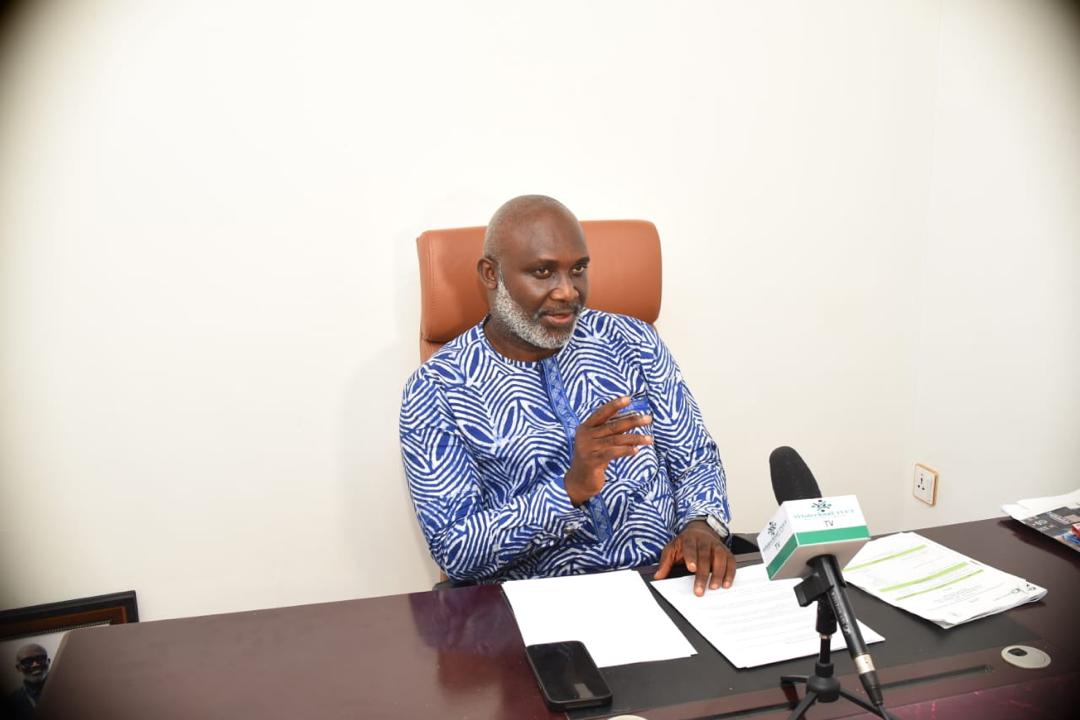
Today, I celebrate a man whose impact goes far beyond his professional achievements. A distinguished journalist, information guru, data expert, a man of wisdom, a kind-hearted boss, a father figure, a dependable friend and a mentor to me and many others.

Otunba Femi Davies is one of those rare individuals whose greatness is not only measured by what he has achieved but also by the lives he has touched, the people he has inspired and the opportunities he has created for others.

Sir, your kindness, humility, generosity, wealth of experience and willingness to guide others are qualities I deeply admire. You have been more than a boss to me; you have been a father, a friend, a teacher and a source of inspiration. Your words of encouragement, guidance and support remain invaluable.

To many of us who have had the privilege of learning from you, you are a blessing and a shining example of purposeful leadership.

Today, I proudly celebrate you, Baba Praise, Baba Bishop!

See also  IT’S EFFECTIVE REPRESENTATION, NOT NDDC

As you mark another glorious year, may Almighty God continue to strengthen you, preserve your life, enlarge your coast and bless you with sound health, peace, prosperity and greater accomplishments.

May your days be filled with laughter, your home with happiness and your journey with unlimited testimonies.

You will continue to age gracefully, reap the fruits of your labour and enjoy the rewards of all the good seeds you have planted in the lives of others.

Happy Birthday, Otunba Femi Davies. Long life and prosperity, sir.

With profound respect and appreciation.

Continue Reading

Opinion

President Tinubu at Three: Advancing skills development, strengthening TVET and building a globally competitive Nigeria

Published

on

By

As President Bola Ahmed Tinubu marks his third year in office, Whitecloud TVET Solutions Limited joins millions of Nigerians in reflecting on the progress made in critical sectors that drive national growth, particularly Technical and Vocational Education and Training (TVET), skills development, and human capital advancement.

Over the past three years, the administration has demonstrated a growing commitment to repositioning skills acquisition as a cornerstone of economic development, youth empowerment, job creation, and national productivity. At a time when nations across the world are investing heavily in human capital, Nigeria has continued to take strategic steps toward equipping its citizens with practical, industry-relevant skills needed to thrive in the modern economy.

One of the most remarkable developments within the nation’s skills ecosystem has been the increasing attention given to Technical and Vocational Education and Training. Through policy reforms, stakeholder engagements, and institutional support, TVET is gradually gaining the recognition it deserves as a vital pathway to employment, entrepreneurship, innovation, and sustainable development.

See also  Abba Kabir Yusuf: A Visionary Leader Poised to Transform Kano State

Particularly commendable is Nigeria’s growing engagement with WorldSkills International, the global movement dedicated to promoting excellence in vocational, technological, and technical skills. Nigeria’s participation in the WorldSkills community represents a significant milestone in the nation’s journey toward global competitiveness.

Beyond membership, it opens opportunities for Nigerian youths to benchmark their competencies against international standards, participate in global skills competitions, foster innovation, and showcase the immense talent and potential that exists within the country.

WorldSkills serves as a platform where nations prepare their workforce for the future, and Nigeria’s involvement reflects a deliberate commitment to producing a generation of highly skilled professionals capable of competing and excelling on the world stage.

This achievement aligns with the broader vision of creating a workforce that is not only employable but also globally relevant.

We also acknowledge the efforts of the Federal Ministry of Education in driving reforms within the TVET sector. The establishment of strategic committees and frameworks under the leadership of the Federal Ministry of Education under the leadership of the Honourable Minister of Education, Dr Maruf Olatunji Alausa has further strengthened coordination, stakeholder engagement, and implementation of policies aimed at transforming skills development across the country.

See also  Buhari challenges Nigerian Universities to develop COVID-19 vaccine

Equally worthy of recognition is the pivotal role being played by the Industrial Training Fund (ITF) under the leadership of its Director-General, Dr. Afiz Oluwatoyin Ogun. Through various initiatives focused on vocational training, apprenticeship development, workforce readiness, and industry-driven capacity building, the ITF has continued to bridge the gap between education and industry while supporting the Federal Government’s vision of building a skilled and productive workforce.

The renewed emphasis on practical skills acquisition, digital competencies, entrepreneurship, and industry partnerships has created new opportunities for young Nigerians to acquire relevant knowledge and become active contributors to the nation’s economic transformation.

As a leading organization committed to skills development and technical education, Whitecloud TVET Solutions Limited recognizes these achievements as important building blocks toward a more prosperous and self-reliant Nigeria. We remain committed to supporting government efforts, collaborating with industry stakeholders, and providing world-class training that equips Nigerians with the competencies required for success in today’s rapidly evolving world.

See also  Xenophobia: Final batch of  Nigerians repatriated from South Africa to arrive Lagos Wednesday

As President Bola Ahmed Tinubu celebrates three years of leadership, we congratulate him on the progress recorded in advancing skills development, strengthening technical education, and laying the foundation for a more competitive and economically resilient nation.

We also commend all stakeholders, institutions, development partners, and industry leaders who continue to contribute to the growth of Nigeria’s TVET and skills ecosystem.

Together, we can build a nation where skills drive prosperity, innovation fuels growth, and every Nigerian has the opportunity to realize their full potential.
Congratulations, Mr. President, on three years of purposeful leadership and commitment to national development.

Signed
Mr. Jasper Oluranti Netufo
Chairman/CEO
Whitecloud TVET Solutions Limited

Continue Reading

Opinion

The Shame of Afe Babalola Way: Why Ekiti and Abuja Must Fix This Road Now

Published

on

By

By Sola Ajisafe, Esq

I was at Afe Babalola University, Ado Ekiti, yesterday for an important function. I felt proud of what one man can do, and angry at what government has failed to do.

The Ado/Ijan Road, now known as “Afe Babalola Way,” is an eyesore. It serves a Federal Polytechnic, a world-class private university, the Ekiti Golf Club, an agricultural settlement, and multiple government establishments. Yet neither the Federal Government nor the Ekiti State Government has treated it as a priority. For 16 years since ABUAD was established, this critical corridor has been left to rot. This is not just bad infrastructure. It is ingratitude.

Chief Afe Babalola, SAN, is Ekiti’s most significant living contribution to Nigeria and the world. A local boy who conquered the legal profession and was recognized by leaders, including Queen Elizabeth II. At 97, he has built what no government in Nigeria has matched.

Over the past sixteen years, he has created employment and opportunity on a scale that rivals the state itself. ABUAD currently employs more than 2,500 academic and non-academic staff, with over 5,000 additional support staff working as cleaners, artisans, drivers, farm hands, and others. That employment base has turned the institution into one of the largest private employers in Ekiti.

The university’s impact has not gone unnoticed. It has been ranked No. 1 in Nigeria by Times Higher Education for four consecutive years, 2022 to 2025, No. 3 in Africa, and No. 84 globally on impact ratings. Those rankings reflect not just academic output but the university’s role in advancing healthcare, research, and community development.

See also  RIVERS STATE CONUNDRUM, STATE OF EMERGENCY AND THE DOCTRINE OF NECESSITY

In healthcare, ABUAD operates a Multi-system Hospital ( AMSH) that has become a referral center for the country. The hospital runs an MRI unit, CT-Scanners, Digital X-Ray machines, 17 dialysis machines, and has performed over 400 dialysis procedures. Just two weeks ago, more renal transplants were successfully performed to make a total of 50 renal transplants carried out without complications for donors or recipients in ABUAD. The center also performs cardio-thoracic surgeries and runs an IVF clinic.

Beyond the hospital, Chief Afe Babalola established the Afe Abiye free antenatal program for women in Ekiti State, a model similar to Ondo’s Mother and Child scheme, ensuring that thousands of women receive care without cost. He also established two hospital annexes at Odo Ado( Girigiri) and Basiri all within Ado Ekiti.

His philanthropic contributions to Federal Polytechnic, Ado Ekiti and Ekiti State University coupled with yearly empowerment programmes for Ekiti State farmers, traders, artisans and scholarships for students are monumental.

Where government infrastructure has failed, ABUAD stepped in. The university runs an independent power plant not connected to the national grid, and a private dam that meets the water needs of the university and its farm. It also operates an industrial park with space for 126 factories, and a fully integrated farm that produces vegetables, fruits such as pepper, mangoes, papaya and tomatoes, livestock including birds, fish and other animals, and processed products like flour, cassava, plantain, rice, pepper, and cashew nuts for local consumption and export. The farm even has its own feed mill for livestock, and the institution is involved in recycling to sustain its operations.

See also  COVID-19: Only first class graduands allowed inside UI convocation hall

The economic multiplier effect is evident. ABUAD attracts students from all 36 states and the FCT, as well as from countries including the US, China, and across Africa. To further open up the State, Chief Afe Babalola personally contributed N2 billion for landing equipment at the newly established Ekiti Cargo Airport and N450 million for the construction of its current car park.

This is what one man did for Ekiti without waiting for Abuja or Ado Ekiti. He even provided his house as the take-off administrative office for the State university at inception.

And what did Ekiti and the Federal Government do in return? They left the road to his university unmotorable.

Governor Biodun Oyebanji is widely regarded as an Omoluabi. Unlike two of his predecessors, he has publicly shown respect for Chief Afe Babalola, prostrating for him in line with Yoruba ethos. But respect without action is empty. Governor Oyebanji recently delivered a lecture at ABUAD, yet avoided the Ado/Ijan Road entirely and came through the bypass. That tells you everything.

See also  APC STAKEHOLDERS IN AKOKO NORTH EAST/NORTH WEST FEDERAL CONSTITUENCY CRY OUT AGAINST IMPOSITION

President Bola Tinubu is an alumnus of ABUAD, having received an honorary doctorate from the university. The Federal Ministry of Works claimed to have awarded the road two years ago, then passed it to FERMA. Since then, silence. Nothing has been done.

So I ask; How does a country honor its heroes while they are alive? The best gift Ekiti State and the Federal Government can give Chief Afe Babalola at almost a century is not another plaque or title. It is to fix the 8.5km road that bears his name so he can drive on it, and so the students, patients, staff, and investors who keep ABUAD running don’t destroy their vehicles and waste their lives in traffic and dust.

Anything short of immediate resumption and completion of work on this road is a dent on Governor Oyebanji and Minister David Umahi. It tells the world that Nigeria celebrates its builders only in speeches, not in deeds.

Ekiti opened its doors to the world because of ABUAD. The least the world can expect in return is a road that works.

Fix Afe Babalola Way. Now. While the man can still see it.

Oloroogun Sola Ajisafe, Lawyer/Journalist. He is from Oka Akoko, lives and practices law in Akure, Ondo State.

Continue Reading

Trending News